Building Organisations Beyond the Immediate Horizon
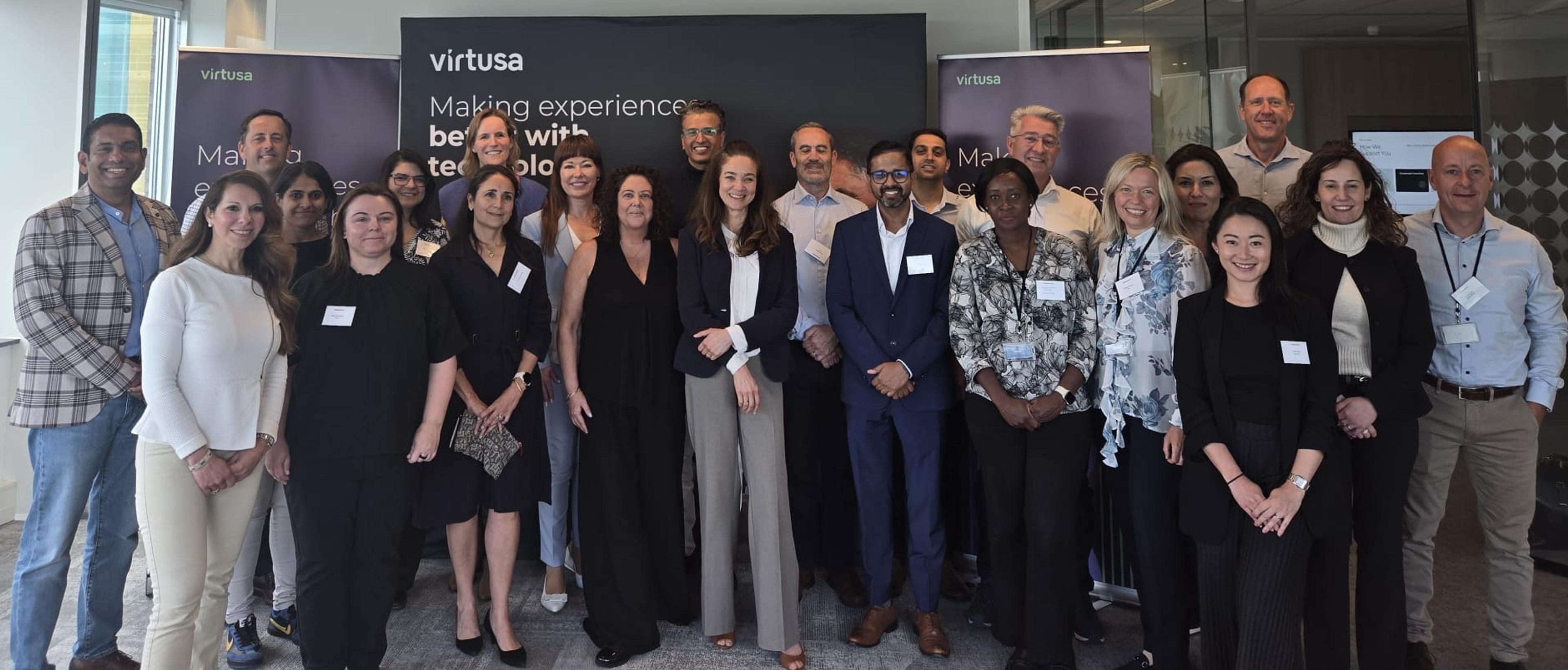
Senior Leaders Forum in Hamburg
- Date:
- 24 July 2026
For many organisations across Germany, today's priorities are understandably focused on navigating economic uncertainty. Restructuring, cost management, and slower hiring have become immediate concerns as businesses respond to a more cautious market.
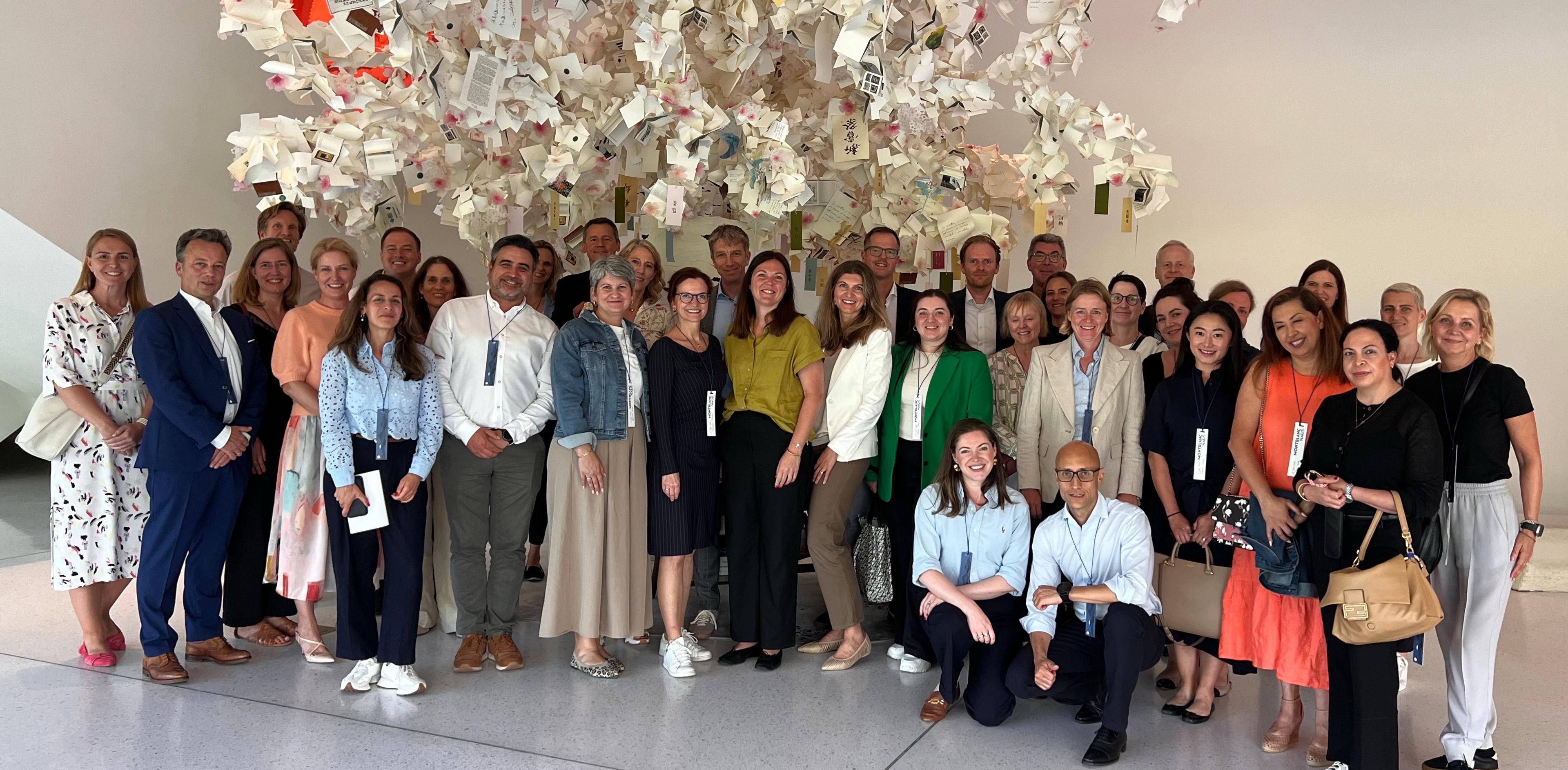
Yet during ChapmanCG's recent Leaders Forum hosted by Sascha Schneider, CPO at Montblanc, the discussion repeatedly returned to a different question:
How do organisations ensure they are prepared for the challenges that lie beyond the current economic cycle?
While today's hiring market may seem less restricted than it was a few years ago, participants agreed that the fundamental forces shaping Germany's workforce remain unchanged. Demographic changes, shifting skills demands, and advancements in artificial intelligence continue to influence the future of work.
The Paradox We Are Creating Today
Recent labour market data shows that graduate and early-career hiring has fallen significantly faster than the wider employment market. Fewer internships, graduate roles and trainee positions mean fewer opportunities for young people to gain practical workplace experience today. At the same time, Germany is approaching one of the largest demographic shifts in its modern history, with the gap between those leaving and entering the workforce expected to widen significantly from 2027 onwards.
In other words, organisations risk creating the very skills shortage they are preparing to solve.
Today's economic slowdown should not create complacency. Instead, it offers a valuable opportunity to strengthen long-term workforce planning before demographic pressures once again reshape the labour market.
Looking Beyond the Immediate Hiring Cycle
While hiring may fluctuate with market conditions, demographic change continues regardless. As experienced employees retire over the coming decade, organisations will increasingly compete for a shrinking pool of skilled talent.
Our HR leaders highlighted that the greatest challenge is unlikely to be among university graduates. Instead, the most acute shortages are expected within vocationally trained and technical professions that support Germany's manufacturing base, infrastructure and wider economy.
Hamburg alone is projected to face a shortage of between 180,000 and 200,000 skilled workers by 2040, with comparatively smaller shortages among academically qualified professionals and an anticipated surplus of lower-skilled labour. This imbalance will require organisations to rethink where future capability comes from.
Investing in Apprenticeships Means Investing in Tomorrow
Although there is widespread recognition that skilled vocational workers will be in greatest demand, many organisations have reduced apprenticeship recruitment over the past decade. At the same time, concerns have been raised about both the declining number of young people entering apprenticeship pathways and the preparedness of many school leavers.
This prompted an important question amongst the group.
If organisations recognise that future capability will become increasingly scarce, why are more employers not investing in one of the most effective ways of developing it?
It was argued that apprenticeships should be regarded not as a short-term expense but as a long-term strategic investment. Organisations that focus on developing vocational talent today are building resilient pipelines for the future.
One example highlighted by Sascha Schneider, who is not only the CPO for Montblanc but also Vice President at the Chamber of Commerce of Hamburg, is that Hamburger Sparkasse (Haspa) continues to recruit around 200 apprentices each year despite current economic conditions. This exemplifies long-term workforce planning in action, recognising that talent pipelines cannot simply be switched back on once demand returns.
Building Capability, Not Simply Filling Vacancies
Preparing for the future workforce demands more than just addressing immediate hiring needs. It requires sustained investment in skills and capability.
Participants highlighted the importance of protecting graduate programmes, internships, and apprenticeships, even during times of economic pressure. While these initiatives are often seen as discretionary spending during downturns, they lay the foundations of future workforce skills. Cutting them now could lead to greater talent shortages in the future.
The conversation also examined how artificial intelligence is transforming workforce planning. Instead of cutting jobs outright, AI is continuously redefining many existing roles while increasing the demand for new skills. The challenge is that many of these future roles are not yet fully understood.
This uncertainty should not delay investment. Instead, organisations must keep enhancing digital capabilities, strengthening learning cultures, and providing opportunities for employees to adapt as technology evolves.
Several participants also emphasised the need to reconsider traditional recruitment methods. Instead of solely searching for candidates who already possess every technical skill, organisations may need to focus more on hiring for potential, learning agility, and transferable skills. Success will rely not only on attracting talent but also on nurturing and developing it.
Stronger Partnerships Will Shape the Next Generation of Talent
Another recurring theme was the need for closer collaboration between employers, universities and vocational education providers.
Several participants reflected that organisations can no longer afford to wait until students graduate before engaging future talent. Joining the group was Jens Portman from Hamburg University Marketing GmbH. The examples he shared showed how building meaningful relationships through internships, practical projects, mentoring, apprenticeships, and university partnerships creates opportunities for students to gain valuable experience while enabling organisations to develop future talent well before they enter the wider labour market.
This point reinforced the idea that addressing Germany's future workforce challenge cannot be achieved solely by employers. It requires stronger collaboration across business, education and policymakers to create sustainable talent pipelines.
Expanding the Talent Equation
Addressing Germany's future workforce challenge will require organisations to consider broader sources of talent.
International recruitment remains an important part of the solution, but attracting global talent alone is not enough. Faster recognition of professional qualifications, enhanced language support, effective integration, and inclusive workplace cultures all play crucial roles in helping international employees build long-term careers in Germany.
At the same time, increasing participation from underrepresented groups, supporting later retirement where appropriate, creating more flexible career transitions and continuing to invest in reskilling existing employees were all identified as practical ways of strengthening workforce resilience.
No single initiative will solve the challenge. Instead, organisations will need to combine multiple approaches to build sustainable talent pipelines for the future.
Employer Attractiveness as a Strategic Advantage
As competition for skilled talent intensifies, employer attractiveness is becoming a more crucial differentiator.
Although competitive compensation remains important, participants agreed that organisations are increasingly competing on broader factors such as leadership quality, organisational culture, flexibility, career development, and opportunities for continuous learning.
Employees are placing greater value on organisations that invest in their long-term growth and foster environments where they can develop throughout their careers. For employers, this shifts talent strategy beyond recruitment to creating an employee experience that attracts, develops, and retains staff.
For many organisations, this represents a strategic business concern rather than just an HR priority.
Building Beyond the Immediate Horizon
One of the clearest conclusions from the discussion was that today's softer hiring market should not lead to complacency.
The demographic and structural forces shaping Germany's labour market are already well understood. The question is no longer whether these challenges will appear, but whether organisations will be ready when they do.
Building organisations beyond the immediate horizon requires leaders who can balance today's operational realities with tomorrow's strategic needs. Protecting early careers programmes, investing in workforce capability, embracing AI thoughtfully, and taking a long-term approach to talent planning are decisions that will shape organisational resilience for years to come.
Ultimately, addressing Germany's future skills challenge will require cooperation among employers, educators, policymakers, and business leaders. Those willing to invest now in sustainable talent pipelines and flexible workforces will be best placed to face the decade ahead.
It was perhaps fitting that this discussion took place at Montblanc Haus, a venue that celebrates craftsmanship, mastery and the passing of skills from one generation to the next. Those same principles sat at the heart of the conversation, reminding participants that the future workforce will not simply appear. It must be intentionally developed.
In partnership with
Author