The Real AI Challenge Isn’t Technology. It’s Leadership.
A HR Leaders Forum in Amsterdam
- Date:
- 30 June 2026
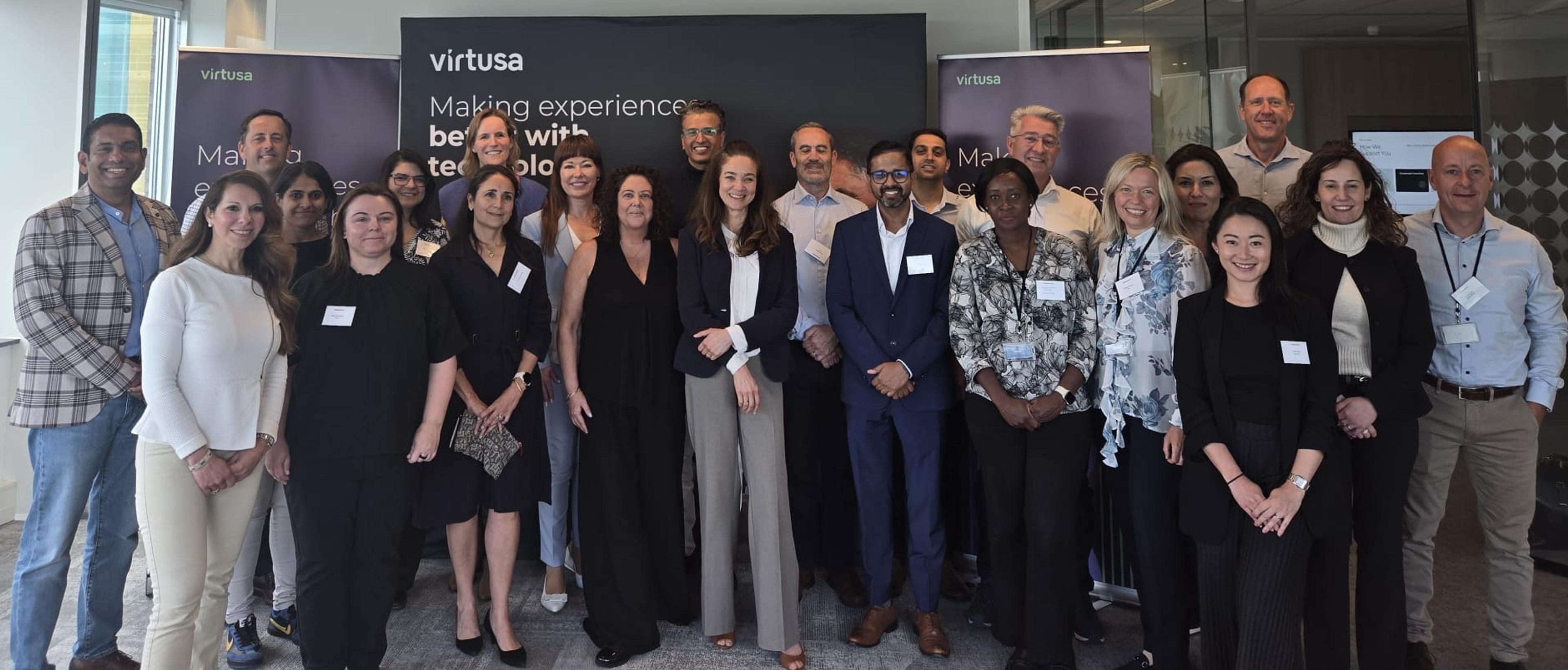
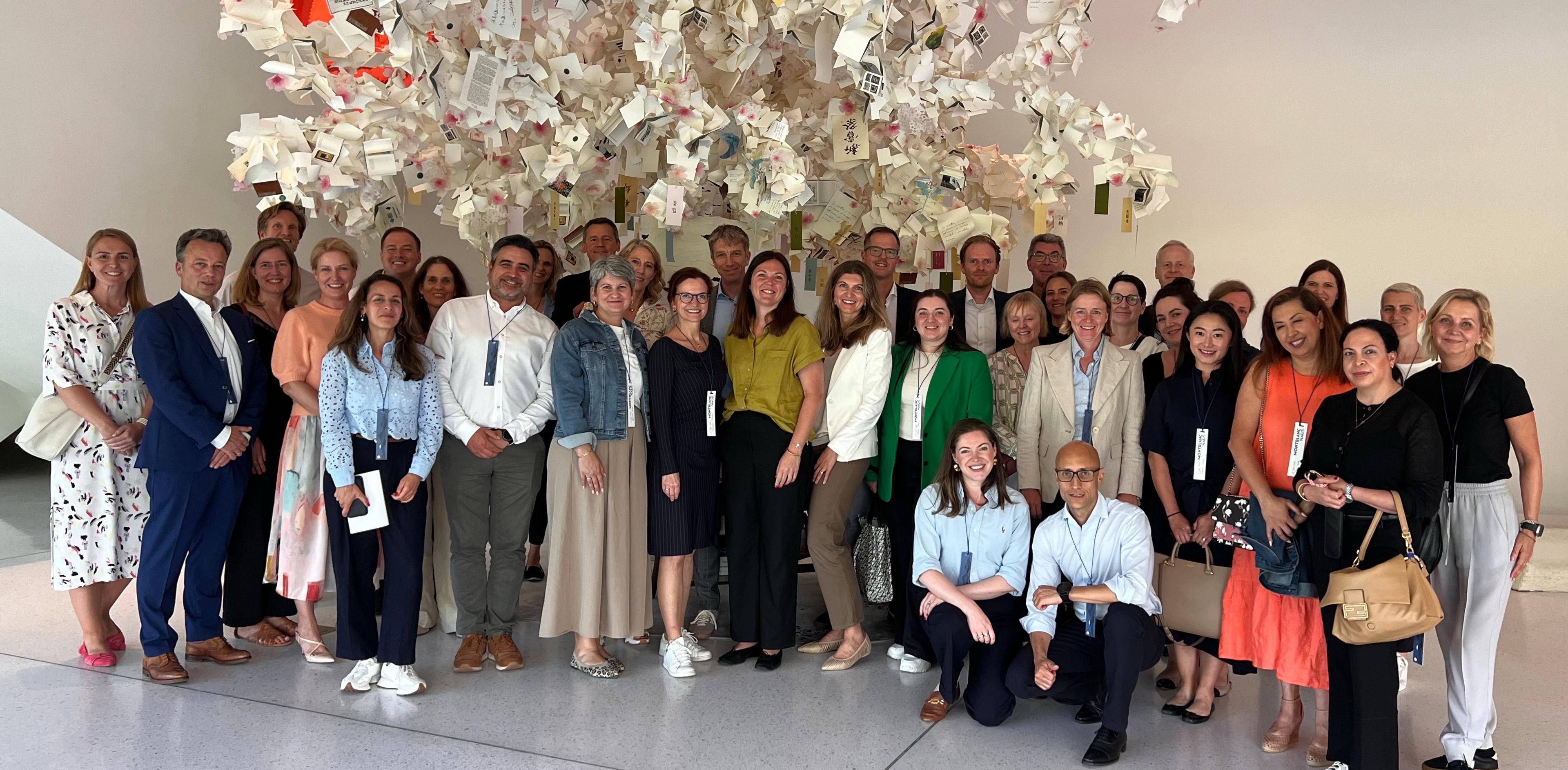
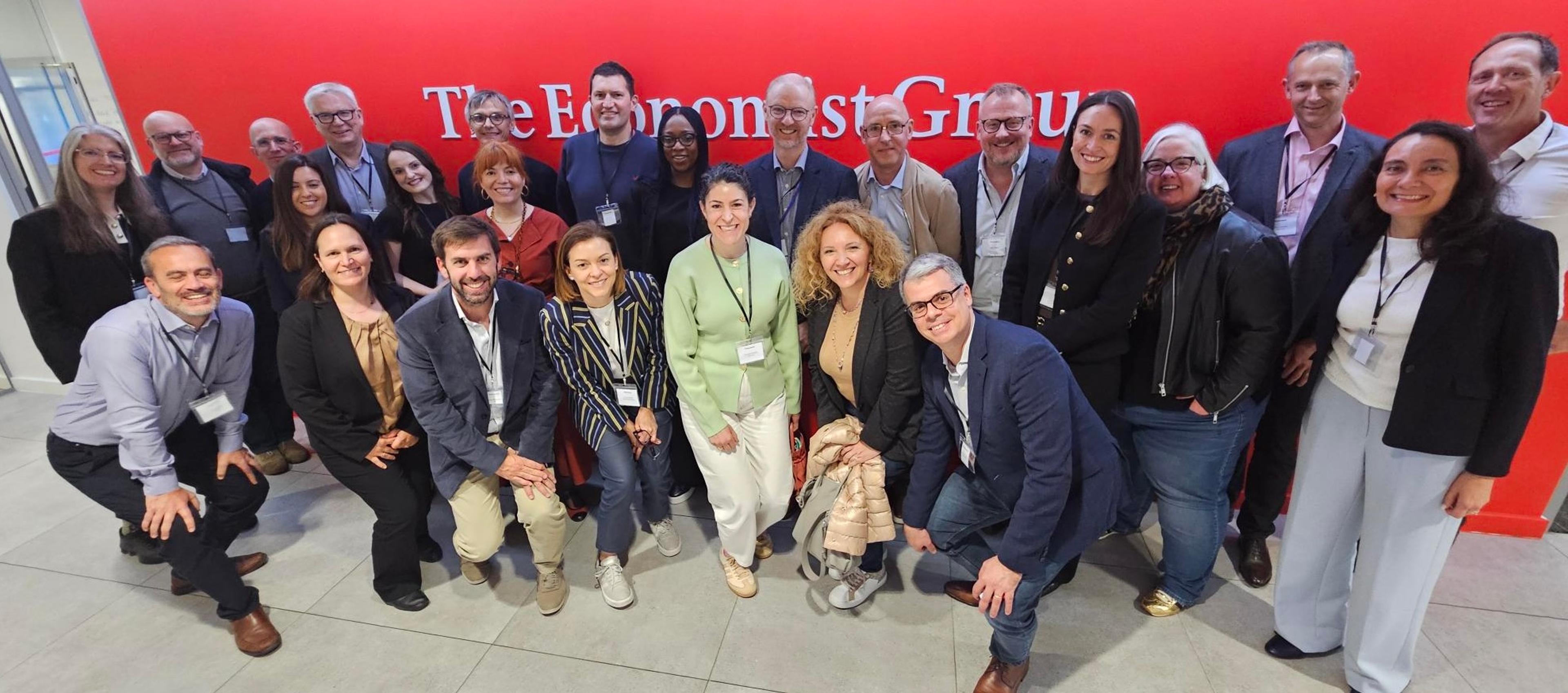
At our ChapmanCG roundtable in Amsterdam, senior HR leaders gathered to discuss a topic that continues to dominate boardroom agendas: how organisations can unlock the opportunities presented by artificial intelligence while navigating the uncertainty, organisational change, and cultural shifts that inevitably accompany it.
What quickly became apparent was that the conversation was about far more than technology.
Across industries, organisations are wrestling with the same questions. How should AI be implemented? How do leaders demonstrate its value? What governance is necessary? How do businesses encourage experimentation while managing risk? And perhaps most importantly, how do they bring their people along on the journey?
One leader summed up the mood. AI is inspiring enthusiasm and hope, but also fear, worry, and doubt. The challenge for leaders is not to eliminate these conflicting emotions, but to acknowledge them and create an environment where progress remains a possibility.
AI Adoption Requires Leadership From Every Direction
There was widespread agreement that successful AI adoption cannot be driven solely from the top or emerge naturally from the bottom.
Senior leaders play a crucial role in setting direction, fostering understanding, and showing commitment. Boards and investors are increasingly expecting executive teams to articulate a coherent AI strategy and demonstrate how it supports long-term business goals.
At the same time, many of the most valuable use cases are identified by employees closest to day-to-day operations. Providing people with access to new technologies is only the first step; fostering confidence and opportunities to experiment is what ultimately drives adoption.
The consensus was clear: strategic intent must be matched with grassroots engagement if organisations are to achieve meaningful value.
Measuring Success Remains One Of the Biggest Obstacles
While enthusiasm for AI continues to grow, proving its impact remains challenging.
Discussions around productivity gains and efficiency improvements are common, yet many organisations still struggle to define what success actually looks like. Before measuring return on investment, leaders must first identify the outcomes they want to achieve and determine where AI can genuinely add value.
Equally important is determining where AI should not be used. The decision will vary based on an organisation's sector, products, customers, and appetite for risk.
Without this clarity, it becomes difficult to justify investment or prioritise initiatives effectively.
Technology is Evolving Rapidly, But People Determine Success
One of the strongest themes to emerge from the discussion was that AI implementation is fundamentally a change management challenge.
The barriers to progress are often less about legacy systems or technical capability and more about mindset, communication, and confidence. Organisations must help employees understand not only how AI functions but also how it integrates into their roles and what it means for the future of work.
This becomes especially important as technology continues to evolve rapidly. Businesses might find themselves reworking processes and operating models while AI capabilities are advancing at the same time.
For HR leaders, this places culture and behavioural change firmly at the centre of successful transformation.
Judgement Becomes More Valuable, Not Less
The discussion also explored the longer-term implications for workforce design.
Leaders recognised significant opportunities for AI to enhance human ability, streamline administrative work and create new career pathways. Rather than replacing people, many viewed technology as a way to enable employees to concentrate on higher-value activities that involve creativity, problem-solving, and relationship-building.
However, concerns were also evident. Questions were raised about future employability, changing skill requirements, and the risk of individuals becoming overly reliant on technology. Some wondered whether critical thinking could diminish if AI increasingly provides answers and recommendations.
Ironically, the group concluded that the rise of AI may make uniquely human abilities even more important. Critical thinking, ethical judgement, contextual understanding, and the capacity to challenge assumptions are likely to become defining attributes of effective leaders and high-performing teams.
Building Cultures That Balance Curiosity With Responsibility
Risk and governance featured prominently throughout the conversation.
Leaders agreed that strong oversight remains vital, especially in highly regulated sectors or where decisions have serious human consequences. AI is only as dependable as the data it is trained on, so organisations must focus on data quality, governance, and bias avoidance.
At the same time, caution should not hinder progress. Healthy cultures encourage experimentation while maintaining suitable safeguards. They unite HR, technology, security, and compliance functions to ensure innovation and responsible use develop side by side.
Importantly, some degree of scepticism was seen as beneficial. Constructive challenge can help organisations avoid rushing into poorly considered decisions and improve the quality of implementation.
AI Will Change Work, But Leadership Will Determine the Outcome
As the discussion drew to a close, one message resonated above all: the future of work will not be shaped solely by artificial intelligence.
Success will rely on how effectively organisations redesign work, empower leaders, and combine technological capabilities with distinctly human strengths. It will require leaders who demonstrate curiosity, foster psychological safety, and cultivate environments where experimentation and learning are encouraged.
The lasting advantage may belong not to those with the most sophisticated AI, but to those that are best able to combine human judgement with technological capability.