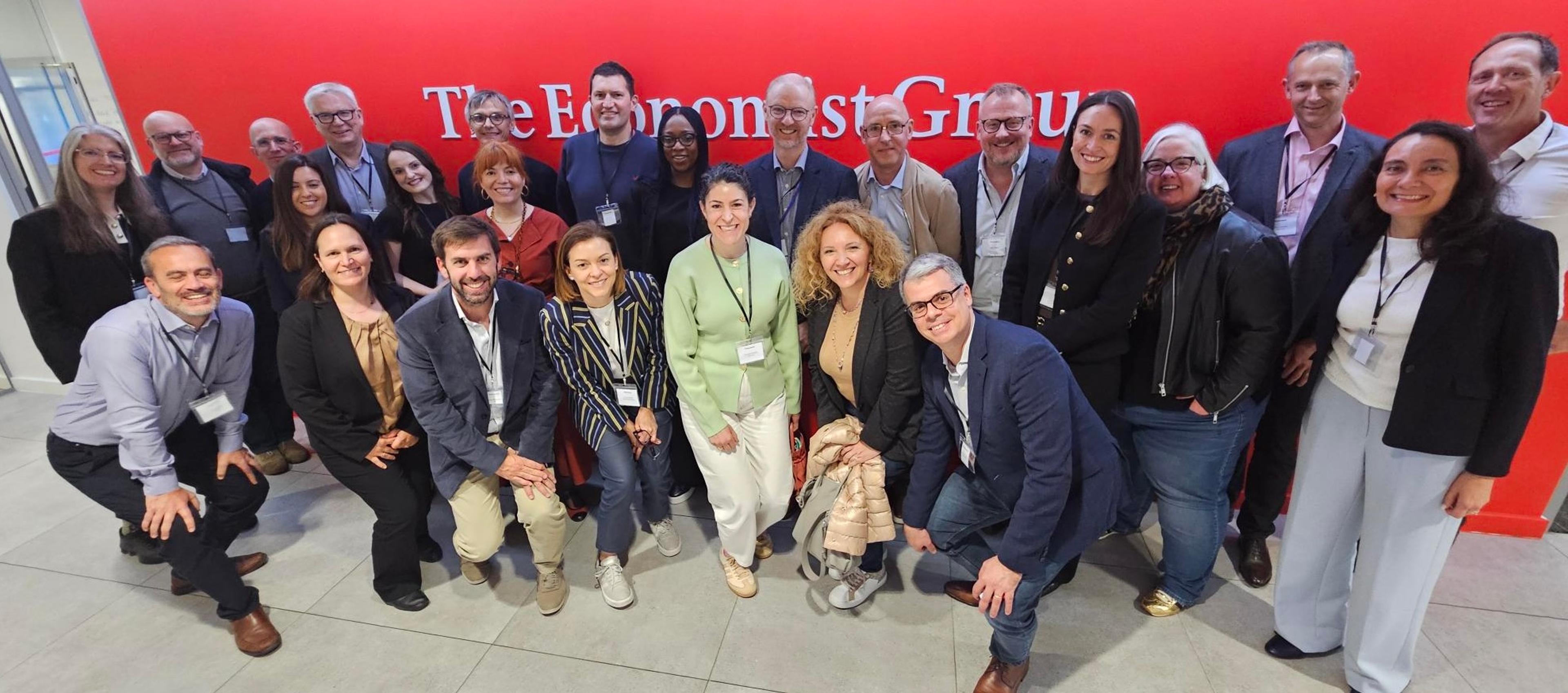
From AI Hype to Scalable Impact
A Sydney HR Leaders Forum
- Date:
- 21 April 2026
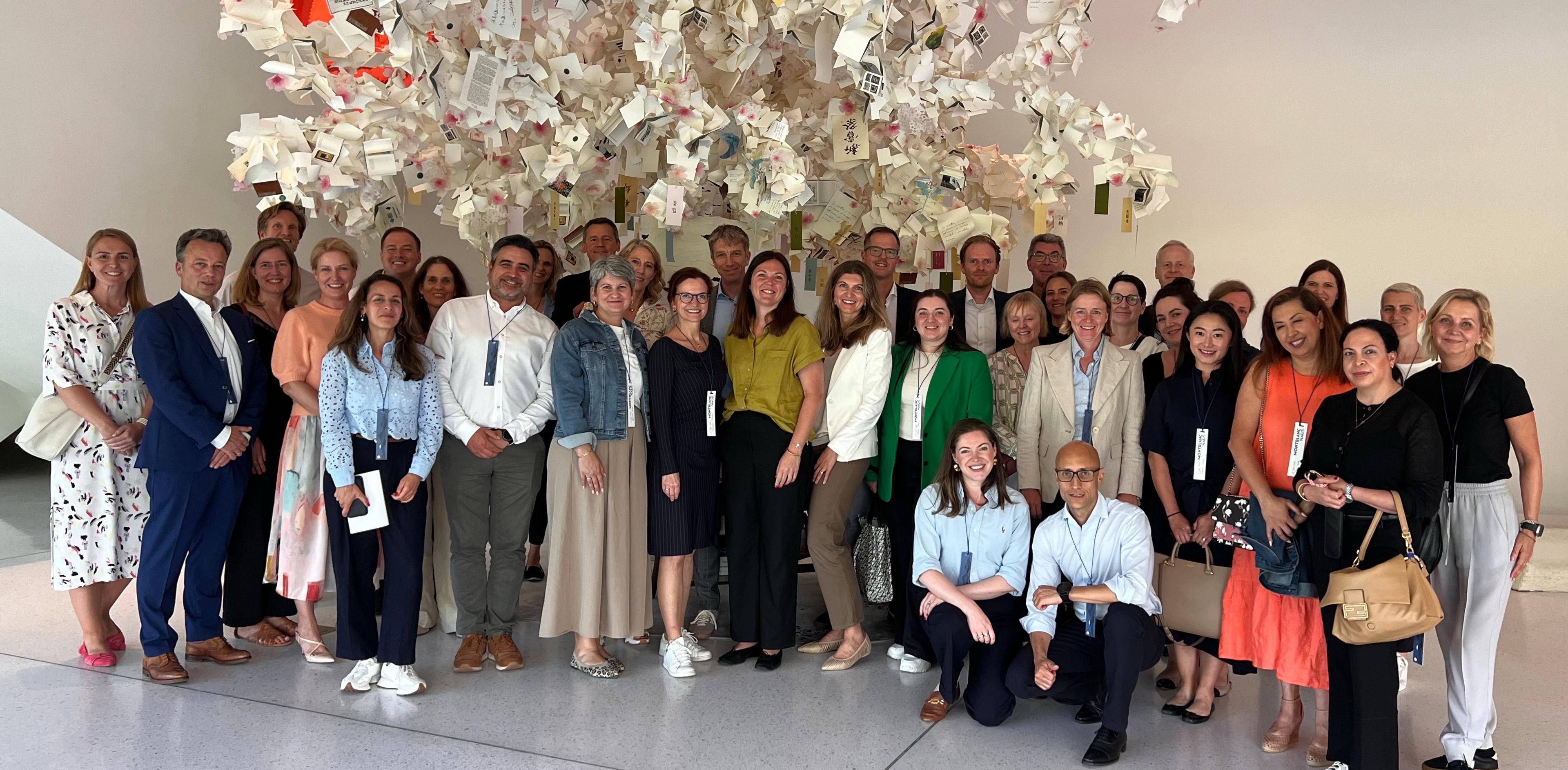
At our Chief People Officer roundtable hosted in collaboration with Quantium and We Are Unity, one message was unmistakable. The future of People & Culture will not be shaped by incremental optimisation, but by bold, enterprise reinvention.
The conversation began with a clear reality. Many organisations have invested heavily in technology, yet few truly understand their own tech stack or data flows. AI adoption is accelerating, but for many, the connection to tangible business value remains unclear. The implication is that without intentional design and a defined roadmap, technology becomes noise rather than leverage.
This is forcing a rethink of capability within P&C. The future is not about adding more HR roles, but about evolving the function itself. There is a growing shift toward integrating data scientists, engineers, and systems thinkers into P&C teams, mirroring broader market trends in which specialist capability is outpacing generalist roles. This reflects a deeper transition from process custodians to architects of value.
AI is accelerating this shift, but not in the way many expected. While many employees report excitement about using AI at work, adoption and impact remain inconsistent, often due to poor integration into workflows and a lack of clarity on use cases. Leading organisations are therefore focusing less on deploying tools and more on redesigning work itself by mapping the end-to-end employee journey and being deliberate about where automation, augmentation, or human judgment creates the most value.
Critically, the roundtable challenged a persistent trap of reimagining processes without linking them to measurable business outcomes. Those that are succeeding share common traits of strong data foundations, leadership alignment, and a clear focus on embedding AI into core workflows rather than layering it on top.
This has significant implications for workforce strategy. Strategic workforce planning and skills-based models are becoming essential. Organisations are moving toward more fluid job architectures, with a sharper focus on team effectiveness over static roles. Yet capability building is not just a technical exercise. Trust remains a critical enabler. Employees are more likely to adopt AI in environments where psychological safety is high and experimentation is encouraged.
Performance models are evolving in parallel. Traditional cycles are giving way to more dynamic, real-time feedback systems that reduce bias and align more closely to outcomes. At the same time, leaders are grappling with the cognitive implications of AI. Emerging research highlights risks such as decision fatigue and over-reliance, reinforcing the need for thoughtful design rather than unchecked adoption.
Perhaps the most profound shift discussed was cultural. AI is not simply a technological upgrade. It is redefining how work gets done, how decisions are made, and what organisations value. Gartner predicts that by 2030, up to 50% of HR activities could be automated or augmented by AI, fundamentally reshaping the function.
Against this backdrop, the role of the CPO is changing. It is no longer enough to optimise processes or implement systems. The mandate is to lead through ambiguity by aligning P&C with business strategy, defining where to play, and building the organisational capability to execute.
The clearest call to action from the roundtable is for leaders to move beyond incremental optimisation and focus on building the data, skills, operating models and ways of working needed to intentionally redesign work, embed AI into core workflows and drive measurable business value. Progress is coming from experimentation - testing, learning, and iterating in real time. In a landscape defined by uncertainty, competitive advantage will come not from certainty, but from the confidence to act and the curiosity to adapt continuously.
Reference - Gartner, HR research on the future of work and AI in HR operations (various research notes and forecasts, 2023–2025).