From Algorithms to Action: HR's Role in Shaping AI
A ChapmanCG Live Forum in Hamburg
- Date:
- 3 December 2024
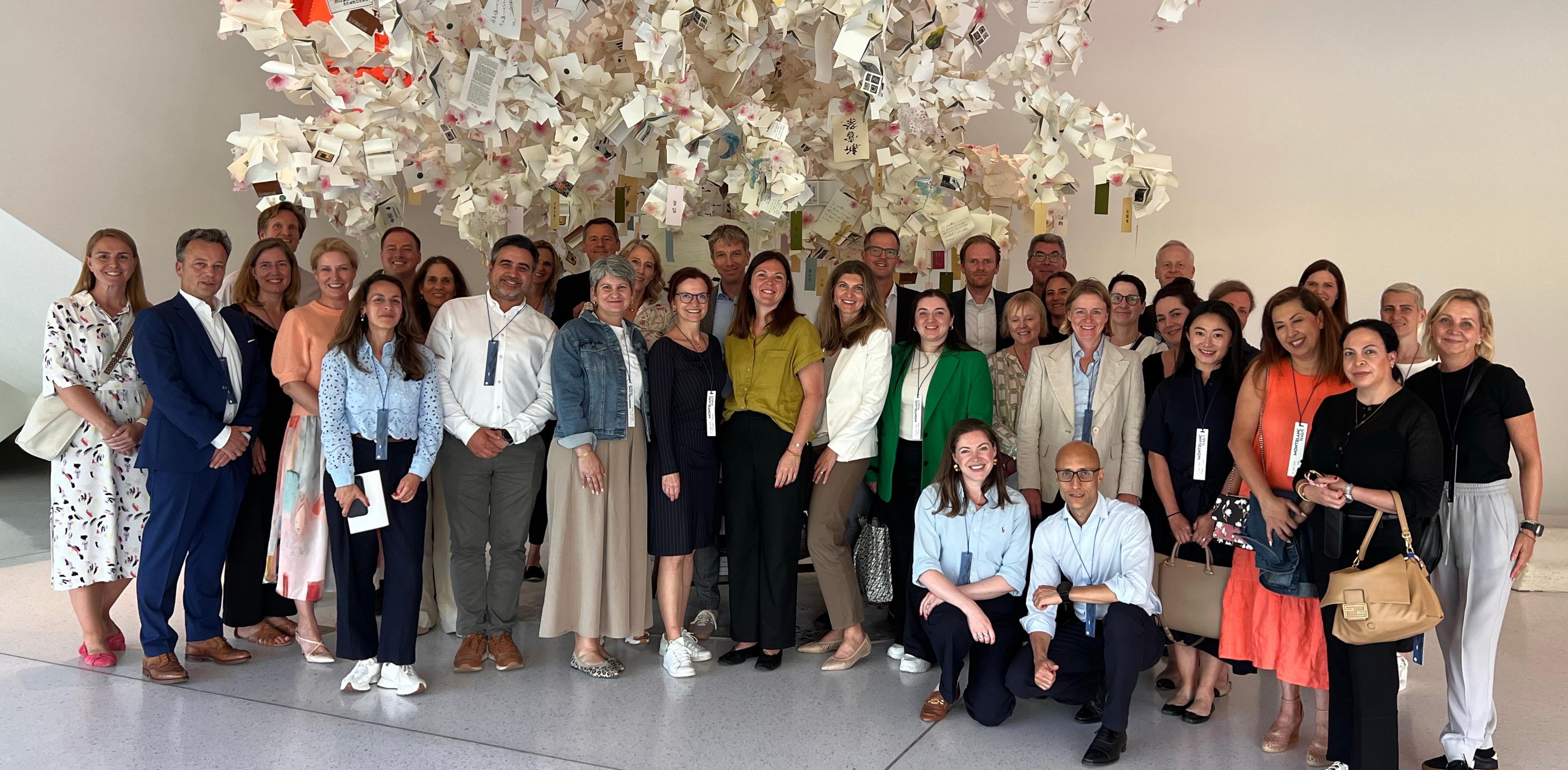
Hosted by Unilever, we brought together HR leaders in Hamburg to explore the complex matrix of integrating Generative Artificial Intelligence (GAI) across established business functions. Co-hosting and presenting were Unilever's Marina Haenel and Ann-Kristin Gohlke, HR Leads Ice Cream DACH & Sourcing Units DACH. We were also joined by Ingredion’s Director HR Functional Excellence and Chief of Staff, Claudia Fischer. They highlighted practical approaches to responsible AI adoption, focusing on transparency, collaboration, and workforce engagement.
Strategic Use of AI
Opening the roundtable, the discussion centred on the importance of determining where AI delivers the most value. AI is particularly effective in streamlining processes and enhancing creativity, with applications in marketing campaigns, video production, and data analysis. However, areas requiring ethical judgment or sensitive decision-making do need to remain under human oversight to ensure fairness and accountability.
Organisations shared how they outlined their governance framework for AI tools, categorising them by risk level. Low-risk tools like Adobe Firefly are fast-tracked for implementation. In contrast, higher-risk tools, such as Microsoft Copilot, require comprehensive pilot agreements and neutral evaluations to assess their feasibility and impact on employees.
With the widespread use of Microsoft Copilot, organisations also shared how they integrate it into their operations, bridging existing systems such as Salesforce and SAP. Copilot is used for tasks like strategy development, presentation creation, and HR dashboarding, saving users an average of 32 minutes per day and reallocating time to strategic and developmental activities.
Engaging Worker Councils in AI Governance
Integrating new areas under the Works Council is often a challenge in the DACH region. Early and transparent collaboration with worker councils (WCs) is a key learning here. Organisations can ensure that systems are designed collaboratively by involving WCs at the start of AI projects, aligning with organisational goals and employee needs. This proactive approach was showcased during Unilever’s Future of Work conference, where WCs experimented with Generative AI by creating videos, fostering understanding and buy-in.
To support this collaboration, organisations will also need to invest in upskilling WC members, providing them with the technical and ethical knowledge required to evaluate AI’s implications. Worker councils also have specific information rights, strengthening their ability to negotiate agreements and safeguard employee interests.