"Work Different" – Unlocking Talent Agility with AI and Skills
ChapmanCG Live Forums in China and Singapore
- Date:
- 22 October 2024
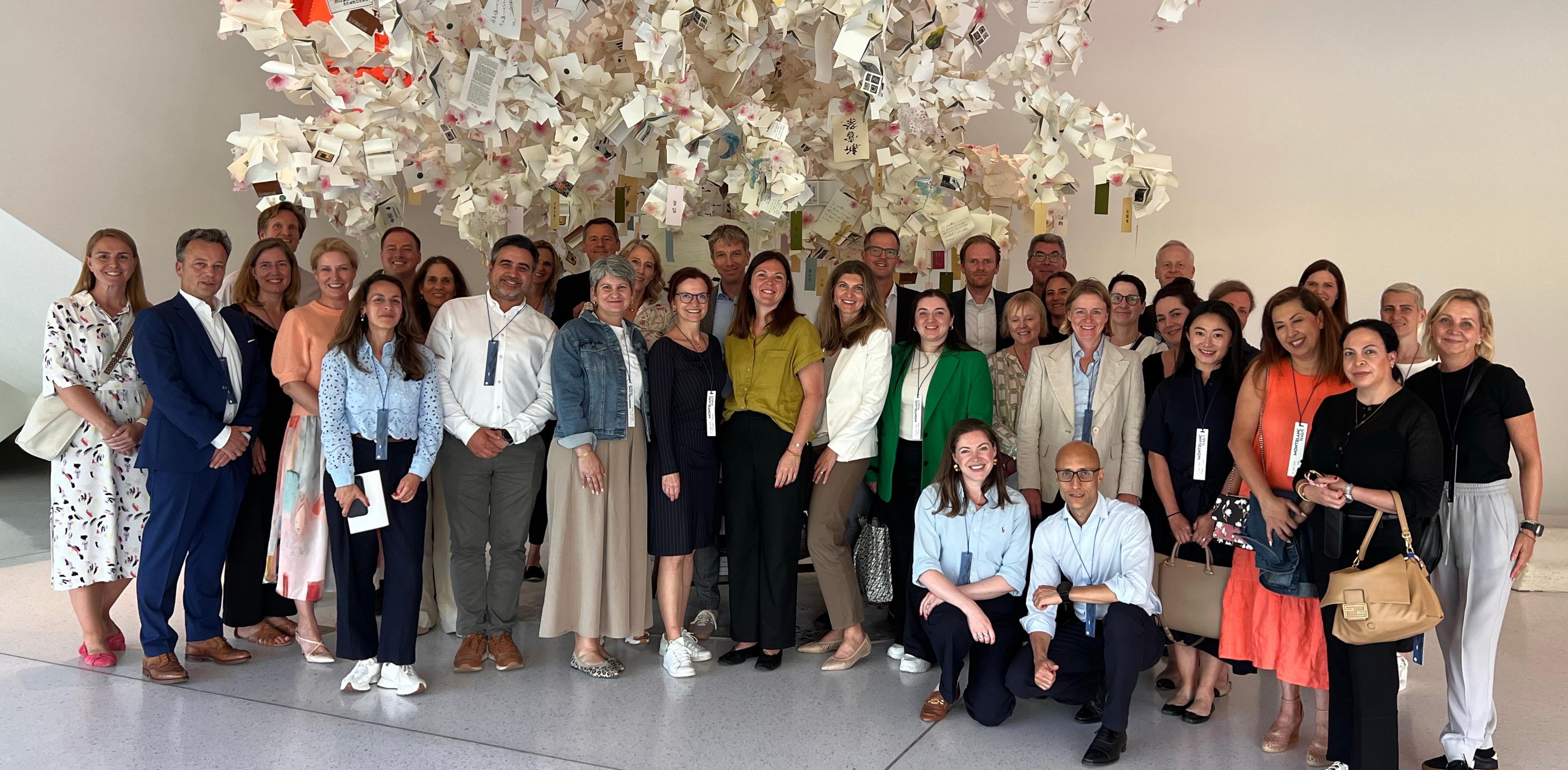
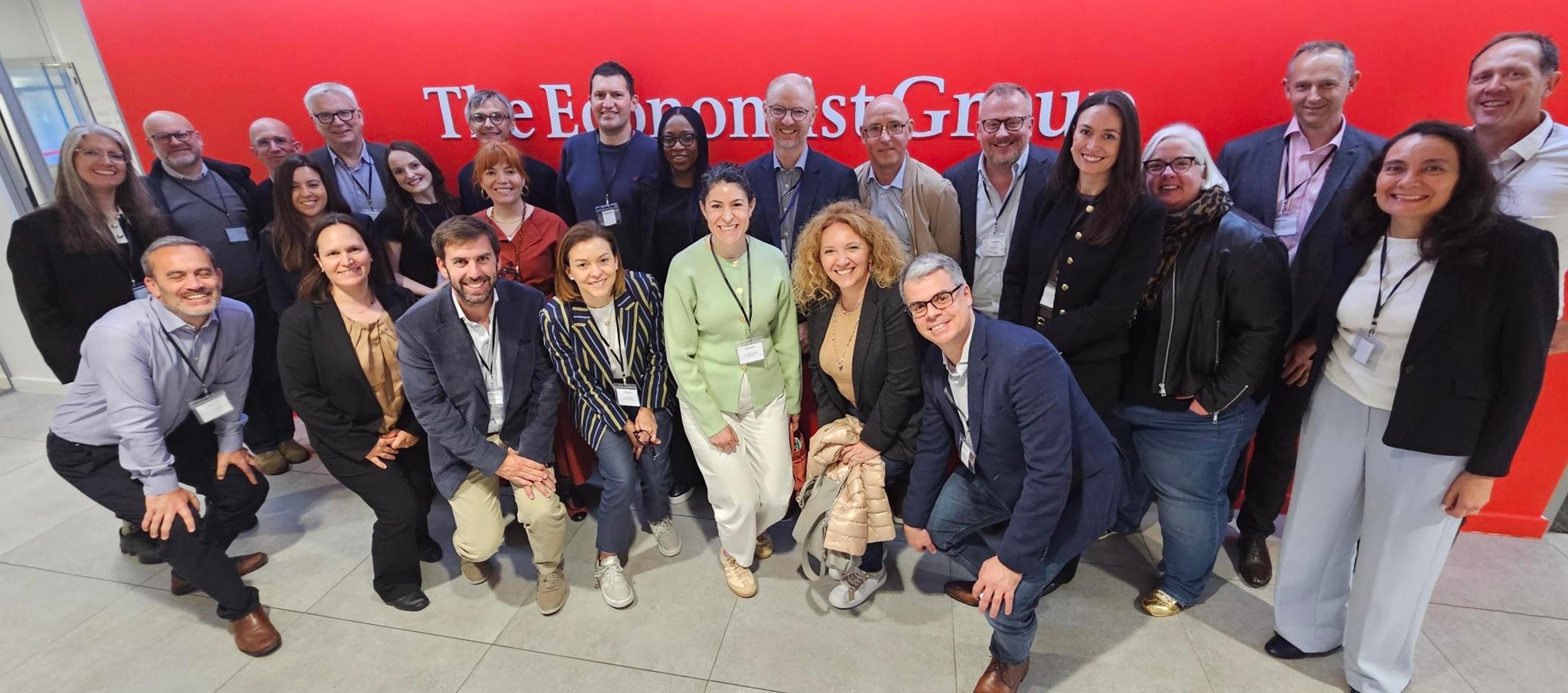
Generative AI has rapidly evolved over the past year, pushing the boundaries of creativity, efficiency, and capability. Industries have seen AI tools seamlessly integrate into their workflows, revolutionising processes, improving productivity, and driving innovation. This ‘tech-celeration’ has also posed new challenges to organisations and leaders as it drives a new work landscape. How we redesign work and inspire our workforce to “work different” will shape futures. With this in mind, the ChapmanCG teams gathered with HR leaders and Talent Acquisition leaders across Shanghai, China, and Singapore and discussed how AI will impact the world of work. In Singapore, we had the privilege of inviting Kate Bravery, Senior Partner and Global Head of Talent Advisory at Mercer, who shared great insights on how today’s trends are changing the nature of work based on her new book ‘Work Different’ and Mercer’s 2024 Global Talent Trends. Here are some of the key takeaways:
AI vs. Digitalisation:
The rise of AI in the workplace is beyond the development of digitalisation that has been in place for years. Digitalisation focuses on transforming analogue processes into digital formats, automating repetitive tasks, and streamlining operations. AI, on the other hand, goes beyond mere automation. It introduces intelligent systems capable of learning, reasoning, and making decisions. While digitalisation sets the foundation for a more connected workplace, AI elevates it by bringing in predictive analytics, generative capabilities, and adaptive learning that transform not just tasks, but also strategic decision-making and innovation.
AI is not just a fashion or trend; it is a transformative technology with lasting implications across industries. The number of organisations using AI has been rapidly increasing in recent years. According to a 2023 report by McKinsey, around 50% of companies have adopted AI in at least one business function, up from 20% in 2017. To remain competitive as an organisation, the question to executive leaders is no longer whether they should invest in AI, but how can they get up to speed and harness the power of AI.
Ethical AI
As AI becomes more integrated into various aspects of industries and society, leaders have to make a decision on their stances towards it to prioritise fairness, accountability, transparency, and respect for human rights, and ensuring that these systems operate ethically is critical to preventing unintended harm, bias, and inequality. By addressing these ethical considerations, organisations can ensure that AI technologies are used in ways that align with societal values, minimise harm, and promote inclusivity and trust. Ethical AI is crucial for sustainable, equitable, and just technological progress.
In partnership with