Beyond Delivery and Towards Global Influence
- Date:
- 9 November 2026
ndia's Global Capability Centres (GCCs) have undergone a significant transformation. Once primarily focused on cost efficiency and operational delivery, many are now responsible for global platforms, innovation and increasingly complex business activities.
Yet as their responsibilities expand, an important question remains: are GCCs genuinely integrated into their global organisations, with equal influence, decision-making authority and career opportunities?
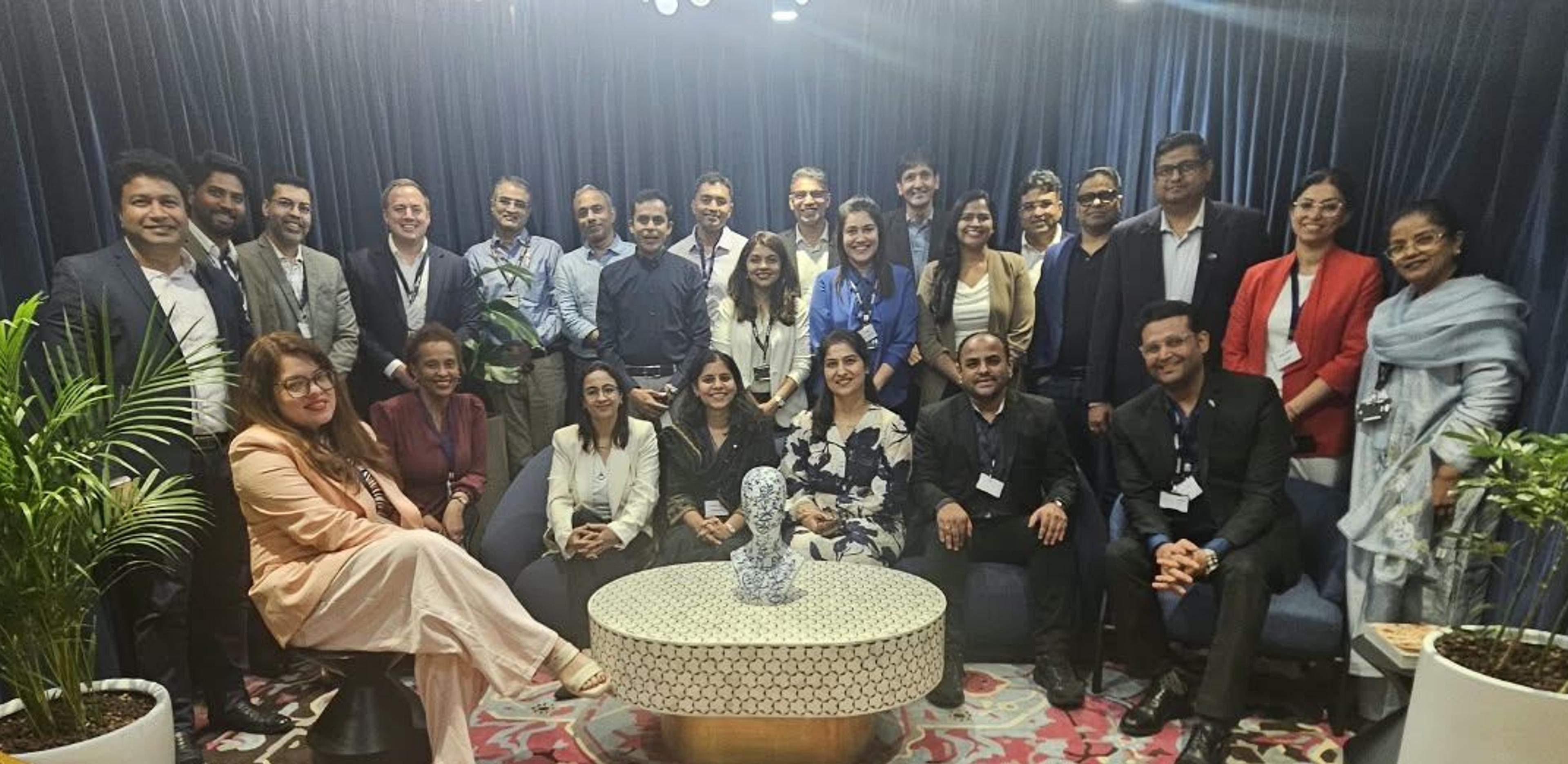
This was the focus of ChapmanCG's Hyderabad HR Leaders Forum, co-hosted with Vybhav Ankathi, Global Head of Talent Acquisition. Bringing together GCC HR leaders from across industries, the forum explored how organisations are moving beyond traditional offshore models to create more integrated, globally connected businesses.
From Operational Delivery to Strategic Integration
When asked to assess how successfully their GCCs were integrated with global headquarters, most HR leaders rated their organisations at seven or eight out of ten.
While this suggests considerable progress, the discussion highlighted that integration means more than expanding responsibilities or increasing headcount.
Leaders pointed to trust, innovation and the quality of work being delivered as increasingly important measures of success. For some organisations, this had meant progressing from standardisation to optimisation and automation. Others had deliberately moved more specialised, high-value activities into India.
However, one question challenged the group: does having a seat at the global table mean participating in strategic decisions, or simply being responsible for their execution?
The distinction is important. As GCCs assume greater responsibility, their influence must extend beyond delivering outcomes to helping determine business priorities and direction.
Some leaders highlighted how changes to operating models, including direct global reporting lines across business units, had helped strengthen integration and position India as a more cohesive part of the wider organisation.
Moving Beyond the Cost Advantage
Examining the changing economics of the GCC model, rising salaries and property costs are challenging some traditional assumptions about India's cost advantage, particularly for senior leadership positions.
Questions arose about whether cost arbitrage would remain a compelling justification for GCC investment over the next five years. Demonstrating cost efficiency is often the first step in building credibility with global headquarters. Once that trust was established, organisations were better placed to move higher-value work into India and develop more sophisticated capabilities.
The value of a GCC is determined not only by the cost of its workforce, but by the talent it can attract, the capabilities it can develop and the business outcomes it can influence.
This represents an important shift in how organisations should assess the long-term contribution of their GCC operations.
Creating Global Careers from India
Perhaps one of the most significant challenges discussed was the difference between having global responsibilities and having genuine access to global leadership roles.
Despite the growing strategic importance of GCCs, employees based in India still experience varying levels of visibility, decision-making authority and career progression compared with their colleagues at headquarters.
Creating roles in India with direct P&L responsibility or measurable influence on global revenue is increasingly important.
Without these opportunities, GCC talent may remain highly valued for execution but be overlooked when organisations consider future global leadership appointments.
Some organisations shared examples of structured international career programmes that had successfully supported leaders in India progressing into global executive committee positions.
Others had introduced succession pathways that encouraged experience within a GCC as part of the development journey for future C-suite leaders.
These examples demonstrated how organisations can move beyond simply offering international exposure towards building genuinely global leadership pipelines.
Building One Global Organisation
The future of GCCs is becoming a question of talent, influence and organisational design rather than geography or cost.
While considerable progress has been made, genuine integration requires more than transferring complex work or establishing global reporting structures. It means ensuring that talent has comparable opportunities to influence strategy, make decisions and progress into senior leadership, regardless of location.
For HR leaders, this is an opportunity to challenge established operating models and rethink how the organisation identifies, develops, and deploys global talent.
The real measure of GCC maturity may no longer be what an organisation delivers from India, but how much India contributes to shaping the organisation's global future.