Culture & Business Transformation
Rethinking the Organisation Without Reinventing Everything
- Date:
- 29 October 2026
Today’s organisations are constantly responding to technological advances, changing workforce expectations and ongoing pressure on productivity. The question is no longer simply what needs to change, but what is worth preserving.
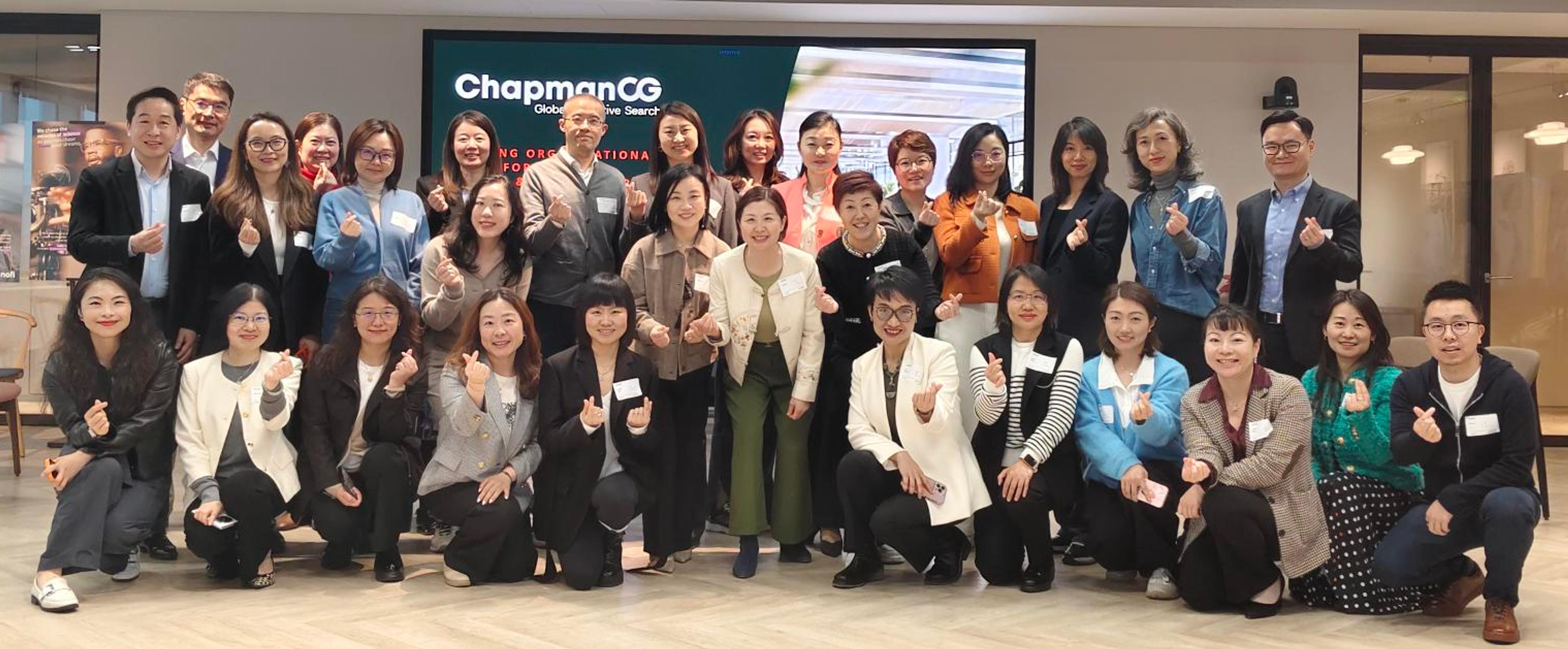
This was the starting point for our ChapmanCG CHRO HR Leaders Forum in Mumbai, generously hosted by Savitha Shivsankar, CHRO at Asian Paints. Bringing together senior HR leaders, the discussion explored how organisations can balance transformation with the values and practices that already make them successful, while reconsidering how meaningful progress should be measured.
Preserving What Matters
When asked to identify one aspect of their organisation they would protect, HR leaders highlighted
- Agility
- Innovation
- Customer focus
- Authenticity
- Respect and
- The confidence to have courageous conversations.
What was interesting was the importance of employee feedback. An increase in complaints, for example, does not necessarily indicate declining engagement. Instead, it could suggest that employees felt more comfortable speaking up.
This then raises a broader question about organisational culture and leadership accountability.
Are organisations genuinely encouraging openness, or are their reward structures and management practices sending conflicting messages?
This reinforced that culture is shaped not only by the values an organisation promotes but also by how leaders respond when those values are tested.
Making Change Meaningful
The conversation then turned to practical examples of changes that had delivered results.
One organisation had introduced a regular Safety Moment, encouraging employees to share mistakes openly and without judgement. Another addressed poor cross-functional collaboration through forums that fostered candid discussion and identified behaviours that needed to change.
The debate discussed the introduction of collaboration indices and the importance of demonstrating how organisational changes positively affect employees at the individual level.
The common theme: successful change depends on creating the conditions for greater ownership, accountability and collaboration, rather than on introducing new processes for their own sake.