Culture & Business Transformation
Leading Organisational Transformation
People & Culture Strategy in an Era of Disruption
- Date:
- 6 May 2026
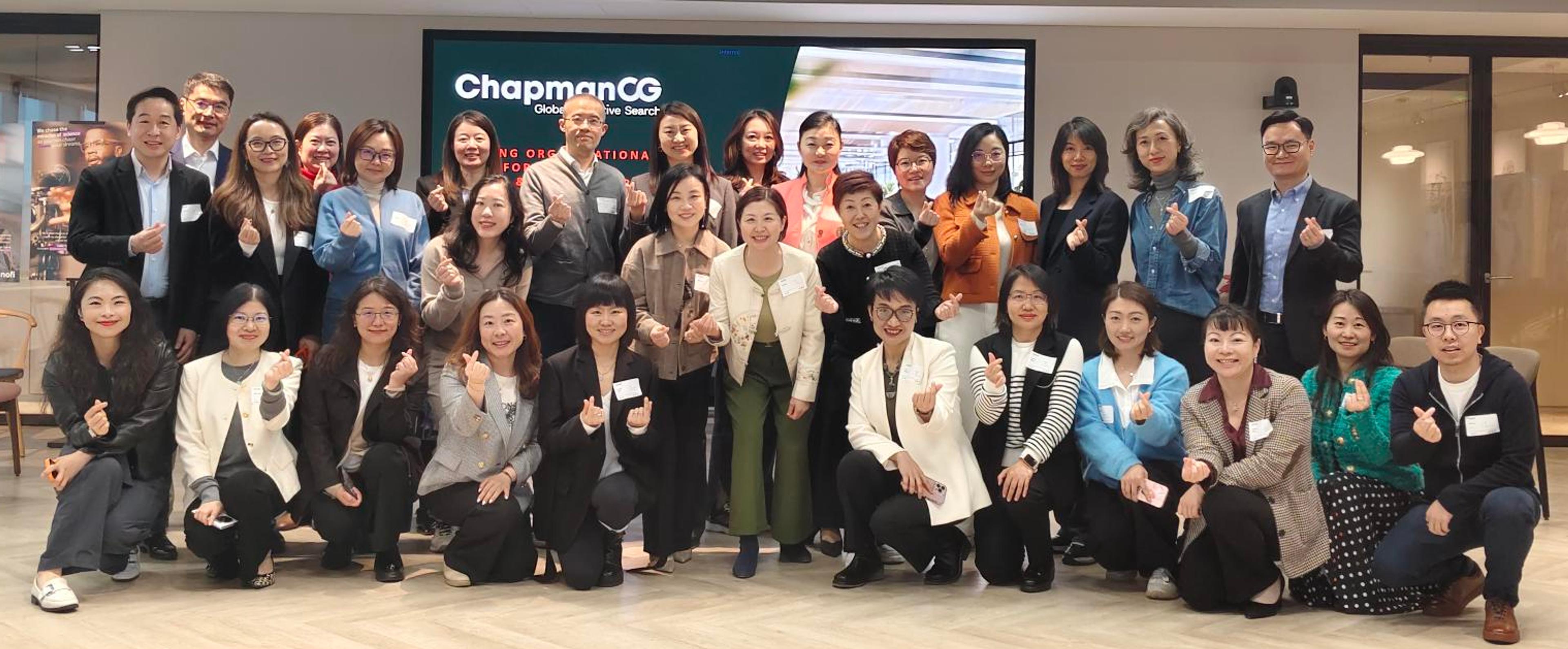
Our gathering of Chief Human Resources Officers in Shanghai, co-hosted with Sanofi China, highlighted a vital truth. In an era marked by ongoing technological disruption, geopolitical instability, and hyper-competition, organisational transformation has shifted from a periodic, programmatic initiative to an ongoing process. The central challenge for today’s leaders is no longer simply to execute a predefined change plan, but to perform, transform, and develop future capabilities simultaneously. As reflected in the discussion, the key factor for success in this environment is not just the strategic vision itself, but the people and culture entrusted with bringing it to life. The most effective transformations are those where human capital strategy and intentional cultural evolution serve as the central engine, not merely a support function.
Voices from the Frontlines: The Shanghai CHRO Roundtable
A candid dialogue among CHROs from diverse sectors provided a real-time snapshot of the complex realities leaders face. The conversation moved beyond theory to the gritty challenges of execution, revealing several universal tensions.
A predominant theme was the delicate balance between global integration and local empowerment. Leaders from decentralised organisations highlighted the challenge they had of harmonising distinct business unit cultures, processes, and talent philosophies into a cohesive yet agile whole organisation. As one CHRO noted, the shift from a decentralised to an extremely centralised global model, while aimed at efficiency, can risk stifling local motivation and customer-centricity if not managed with nuance. The key question emerged: how to grant the local team enough "freedom within a framework" to stay responsive and inspired?
The relentless pressure to deliver short-term results while investing in long-term capability building created a noticeable strain. A CHRO shared the multi-year journey of transforming a mechanical engineering workforce towards electrification, a strategic necessity that requires sustained investment amidst quarterly performance pressures. This tension underscores that transformation is not a single event, but a sustained on-going organisational marathon.
The dual imperative of Artificial Intelligence (AI) was ever-present. Discussions acknowledged its power to drive operational efficiency and restructure work, but emphasised the urgent, parallel need to upskill teams. The goal is to cultivate a workforce capable of managing, questioning, and complementing AI systems, thereby transforming anxiety into capability. This points to a fundamental redesign of roles, decision rights, and the very architecture of work.
From Challenges to Strategic Pillars: Reframing the Essentials
The roundtable insights revealed that navigating these tensions requires moving beyond ad hoc solutions to reinforcing core strategic pillars. These are not "soft" HR topics, but the hard foundations of adaptive performance.
- Building a Transformation-Ready Leadership Engine: Culture and change are ultimately shaped in the middle by managers who translate strategy into daily action. Investing in leadership agility at all levels is therefore non-negotiable. This involves developing leaders who can navigate ambiguity, empower teams, and communicate a compelling "story" of change. As one HR leader emphasised, helping leaders simplify and consistently articulate the "why" behind the transformation to their teams is a critical, yet often overlooked, capability.
- Designing for Cohesion, Not Just Control: In restructuring or integrating operations, the design of governance, performance, and recognition systems must actively foster collaboration across functions and regions. Success should be measured and rewarded not just on individual or siloed metrics, but also on behaviours that enable team-based success and shared accountability. This systemic alignment turns cultural aspirations into visible, reinforceable actions.
- Treating Talent and Succession as a Dynamic, Living System: The pace of change demands a shift from reactive, event-driven succession planning to proactive, dynamic talent mobility. This means creating transparent pathways for high-potential leaders, making bold but coached talent moves to accelerate readiness, and continuously cultivating the pipeline, especially as tenured leaders retire. It’s about building a resilient talent ecosystem that can adapt as swiftly as the business strategy.
- Embedding a Human-Centric AI Philosophy: The focus must shift from pilot projects to a comprehensive philosophy. This means architecting roles that blend human strengths with machine intelligence and clearly define new decision-making protocols. Concurrently, significant investment in upskilling is essential to ensure the workforce evolves alongside the technology, securing both employability and organisational innovation.
The HR Leader as Integrator and Architect
In this era, the role of the CHRO is fundamentally elevated to that of a chief integrator and enterprise architect. It requires the discipline to listen and diagnose deeply before acting, resisting the temptation to resort to quick structural fixes. The effective CHRO must master the art of influence, connecting business strategy to people and culture levers, and coaching senior leaders on the people implications of their decisions. As the discussion revealed, this often involves providing data and narratives that help global leaders truly understand local market dynamics, thereby earning the credibility to advocate for necessary local empowerment.
Conclusion: The Human Core of Sustainable Advantage
The consensus from the frontline is clear: in a world of perpetual disruption, sustainable competitive advantage is increasingly human.
It is forged in resilient, empowered, and performance-oriented cultures.
It is secured by agile, cohesive, and strategically aligned leadership teams.
It is delivered by dynamic talent systems focused on potential.
The organisations that will thrive are not those with a perfect plan, but those that most effectively align their people strategies with the realities of transformation, turning daily challenges into opportunities for growth and reinvention. The ultimate transformation, therefore, is of the collective human capability and adaptive spirit within the enterprise.
In partnership with

Author