Culture & Business Transformation
The Human Touch
Addressing HR’s Responsibilities with AI
- Date:
- 8 April 2025
As the HR landscape continues to evolve, the implantation of artificial intelligence (AI) is no longer just a tool for efficiency—it is fundamentally reshaping how organisations operate. However, with great technological advancements come significant ethical responsibilities. As AI becomes embedded in HR processes, organisations must proactively address its ethical implications to ensure fairness, transparency, and accountability.
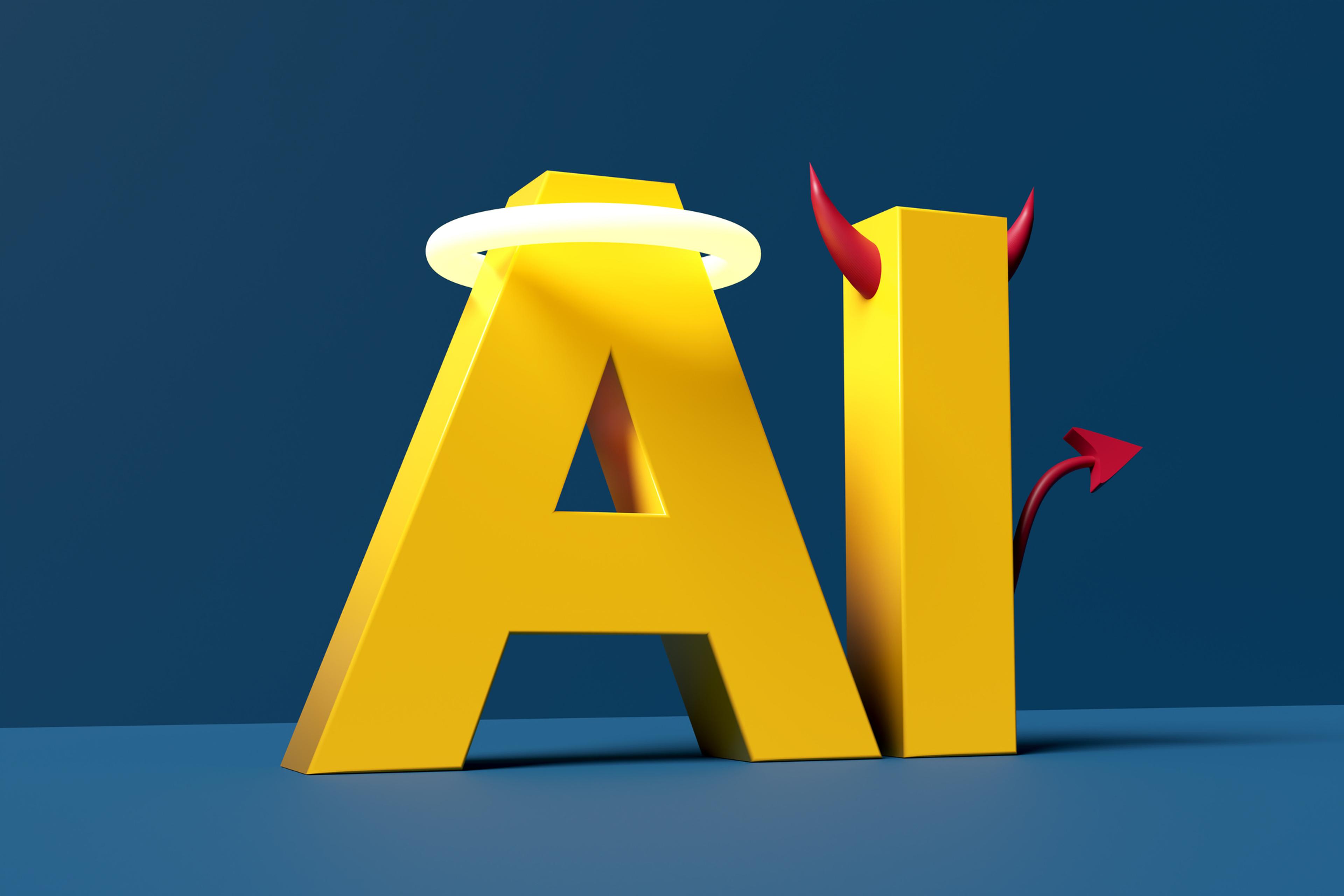
The Promise and Perils of AI in HR
AI offers unprecedented opportunities to streamline HR functions, enhance decision-making, and improve employee experiences. From optimising recruitment to predicting talent needs and enhancing engagement, AI-driven solutions provide valuable insights. Analysing the vast datasets allows HR leaders to make more informed decisions and create more personalised employee experiences.
Yet, as we embrace these innovations, we must remain vigilant about their ethical challenges. The risk of bias in AI algorithms, lack of transparency in decision-making, and the potential for invasion of privacy are just a few concerns that CHROs and HR leaders must address. Organisations will need to implement governance frameworks that ensure accuracy, fairness, and data security to truly harness AI's benefits. Establishing clear oversight mechanisms and continuously assessing AI applications will be essential to building trust in AI-powered HR functions.
We are at a very nascent stage of the AI revolution as Large Language Models continue to evolve. While organisations continue to establish ways to successfully collaborate with AI, they will have to ensure Accuracy and Reliability, Fairness, Data Privacy and Security are embedded in the way the technology operates.
While we inspire organisations to visualise the future of work in the AI landscape, one critical element in this journey is establishing a clear governance framework, and question assumptions about regulatory preparedness and becoming your own toughest critic.
Sarmista Mondol, Business Transformation and IBM Garage Leader, IBM