Culture & Business Transformation
Successfully Managing Change in the Digital Age
- Date:
- 4 May 2016
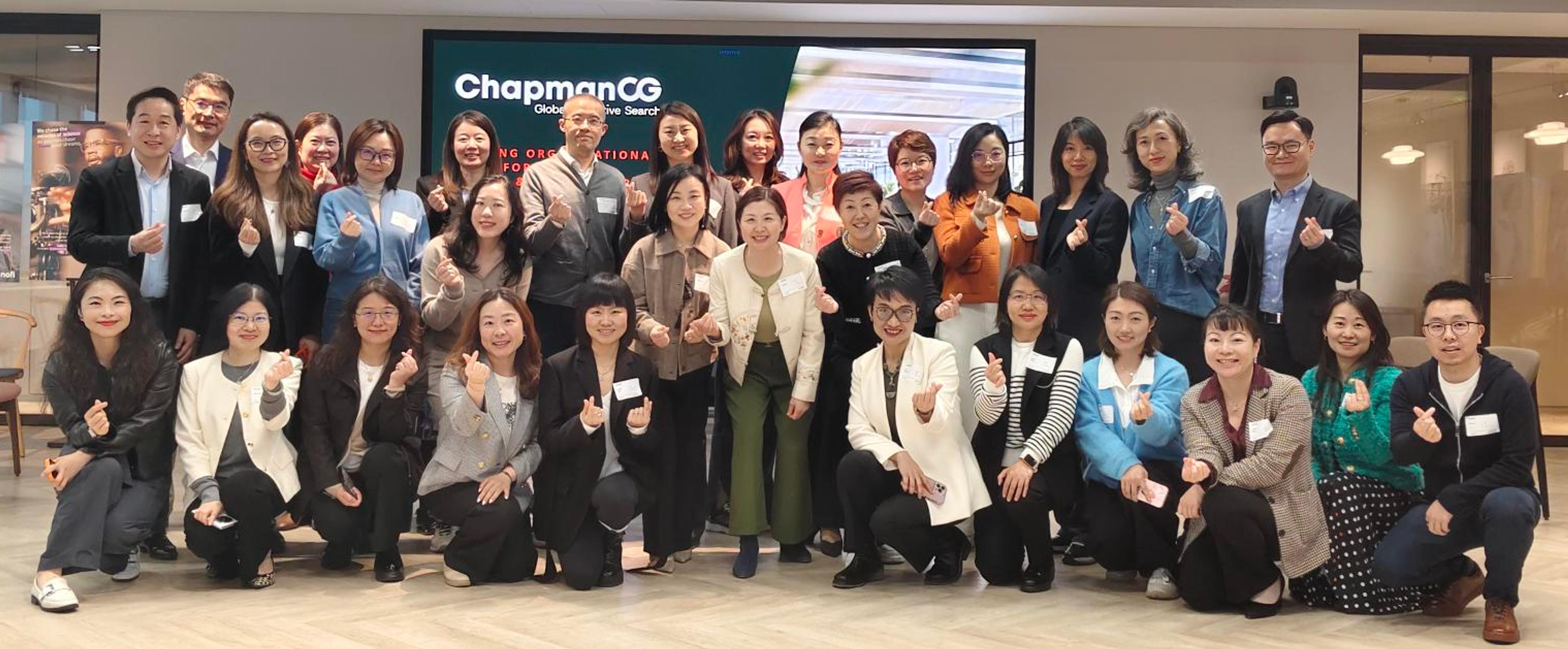
ChapmanCG co-hosted an engaging Talent Management roundtable at Paypal to discuss how to successfully manage change in today’s dynamic business climate. We were delighted to see HR leaders from a wide variety of industries enjoying the interesting and varied presentations by Steven Filby, Director, Learning & Organisational Development, APAC at Paypal; Lawrence Smith, Managing Director HR, Group Head of Learning & Talent Development at DBS Bank; Erin Reiger, Senior Manager Global Talent Management at Redhat and Caroline Palmstedt, APAC Talent Management Lead at Monsanto. The session opened with our host, Steven, sharing Paypal’s Talent Development and Performance Mission, which is to enable talented people through dynamic processes that engage, in order to develop the company’s most valuable asset: its people. Following are some of the key insights that were discussed around how to manage Talent Development effectively:
- HR needs to educate managers about the importance of truly knowing their top talent and what motivates each individual, rather than having a traditional performance management system;
- Segment employees into groups in order to motivate and engage them effectively;
- Movement towards a continuous feedback culture via multiple channels for managing performance. As ratings can be open to subjectivity, we see these getting streamlined or completely abandoned;
Tech is the Only Way Forward
Laurence Smith, Managing Director HR, Group Head of Learning & Talent Development at DBS Bank, shared that the banks see both opportunity and threat in FinTech or Financial Technology. Smith also made it clear that the only growth strategy for banks today is going digital; therefore, getting this right is critical and HR has a very important role in this transformation. So how can HR get digital? Driven by a desire to foster a more digital mind-set among employees, DBS was the first organisation in Singapore to build ‘hackathons’ into its Talent Development programme, where employees meet to engage in collaborative computer programming to create prototypes. The company also uses gamified learning for mobile platforms, which provide various channels containing snappy and focused content including quizzes, polls and surveys. These games have feedback systems, points and badges to keep the learners engaged and motivated. All participants agreed that in order for companies to be successful today, employees at all levels must understand digital, and there needs to be strong support for this from the top levels of the organisations.