Culture & Business Transformation
Embracing the Future of HR in the Middle East
Bridging Innovation and Heritage
- Date:
- 5 March 2025
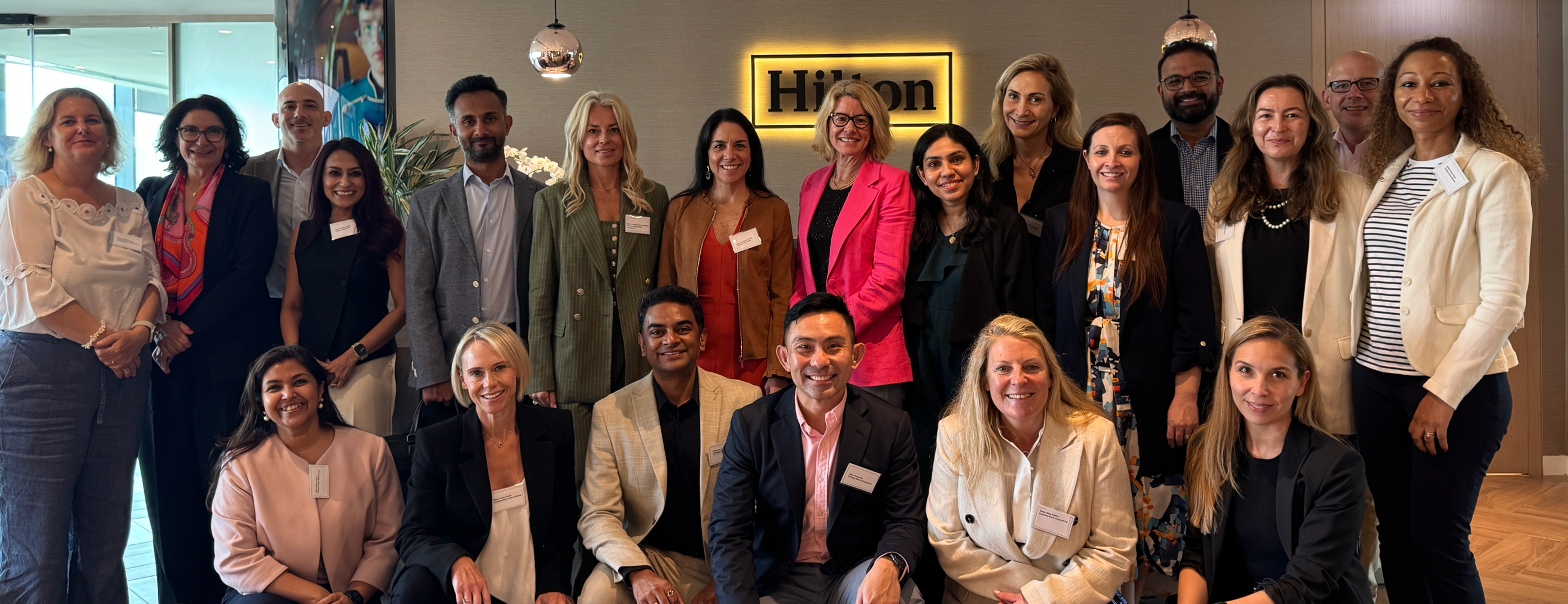
The Middle East is at a turning point, where tradition and modernity collide in fascinating ways. As businesses push forward into a rapidly digitising world, HR leaders find themselves at the heart of this transformation—navigating the delicate balance between preserving cultural identity and driving innovation. At our recent event in Dubai, hosted by Marie-Louise Ek, Vice President HR Middle East & Africa, and Aligi Gardenghi, Vice President, Arabian Peninsula at Hilton, senior HR leaders explored how organisations can build a future where progress and heritage go hand in hand.
Addressing Key HR Challenges in the Middle East
HR leaders in the Middle East are navigating a range of challenges, including:
- Balancing tradition with digital transformation: How can companies embrace innovation while maintaining cultural continuity?
- Attracting and retaining high-tech talent: With intense global competition in AI, fintech, and other advanced sectors, what strategies can help Middle Eastern companies secure top talent?
- Developing a local talent pipeline: Many industries still rely on expatriate workers. How can HR drive efforts to build a more substantial base of skilled local professionals?
- Preparing for the impact of AI and automation: As technology reshapes job roles, how can HR ensure that employees remain future-ready while preserving traditional career paths?
Islamic Work-Life Integration: A Culturally Anchored Approach
Strong cultural and religious influences shape work-life balance in the Middle East. Many companies embrace Islamic work-life integration by offering prayer-friendly workspaces, shorter working hours during Ramadan, and hybrid models supporting family commitments. While traditional on-site work remains prevalent in some industries, HR leaders are championing flexible arrangements that enhance productivity while respecting cultural norms.
Women’s Leadership and the Workforce of the Future
One of the most significant shifts in the region is the increasing participation of women in the workforce. Saudi Arabia’s Vision 2030 initiative has played a key role in enabling more women to enter professional roles while ensuring workplace policies align with cultural expectations. Remote work options and women-only co-working spaces provide new pathways for female leadership. These efforts are not only fostering gender diversity but also strengthening the overall talent pipeline in Middle Eastern businesses. There have been clear advances in the number of women on corporate boards and in various industries. However, there is still room for greater equality and equity as new challenges arise. As the UAE continues its transformation to close the gender gap, organisations must also play an ongoing role in empowering women and helping facilitate their career growth and personal development.
In partnership with