Adapting Benefits for a Diverse, Multi-Generational Workforce
An HR Leaders Forum in Singapore
- Date:
- 14 January 2025
Total Rewards leaders are strategically positioned in today's evolving work environment to influence Human Resources positioning and business development. Their role is pivotal in designing benefits that resonate across a diverse, multigenerational workforce.
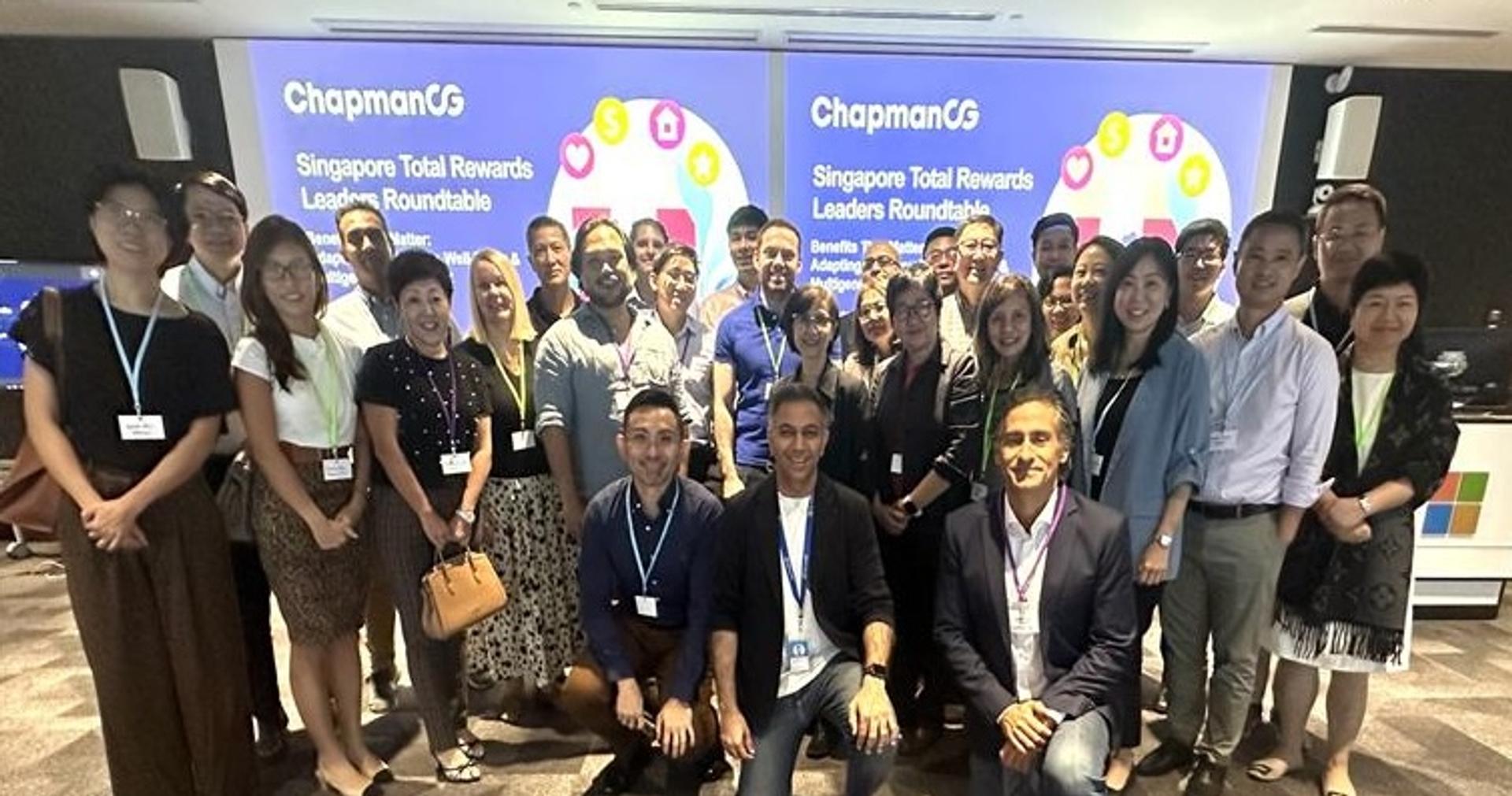
Partnering closely with Dushyant Ajwani, Director, International Compensation & Benefits, Asia at Microsoft, we brought together Total Rewards leaders in Singapore to discuss Benefits That Matter: Adapting for Diversity, Well-Being & Multigenerational Talent, analysing key principles and insights that shape effective benefit plans.
Embracing Diversity, Equity, and Inclusion
Incorporating DE&I into benefit plans is not merely an option but a necessity. Modern organisations recognise that to attract and retain top talent, benefit structures must reflect employees' varied cultural, generational, and individual needs. This commitment to DE&I ensures that benefits are inclusive and equitable, fostering employees' sense of belonging and well-being. This aligns with the broader trend of personalising approaches to total well-being as organisations shift towards data-led strategies for more tailored support.
Core Principles for Designing Benefits
Guiding principles such as flexibility, purpose, shared accountability, and financial responsibility are essential to effectively meet the needs of a diverse workforce. These principles help create adaptable benefit plans that are aligned with organisational goals. Compliance and governance remain the foundation, ensuring that all benefits meet legal standards and enhance employee trust and engagement.
Market Competitiveness and Transparency
The role of Total Rewards leaders extends to ensuring market competitiveness while embedding robust Employee Value Proposition (EVP) elements. Benefits should cater to market-specific needs with clear communication around retirement options, paid holidays, and global offerings. This is critical in establishing transparency and demonstrating the organisation's commitment to supporting employee well-being throughout their careers.
Enhancing Well-being and Performance
Addressing fitness, well-being, parental leave, and caregiver responsibilities are crucial elements that impact employee performance and development management. Benefit plans with these aspects consider the whole employee, enhancing engagement, productivity, and satisfaction. This holistic approach reflects the contemporary understanding that health and happiness contribute significantly to workplace productivity.