Work 3.0 – Re-imagining Leadership in a Hybrid World
A ChapmanCG Global HR Leaders Forum in Singapore
- Date:
- 10 August 2023
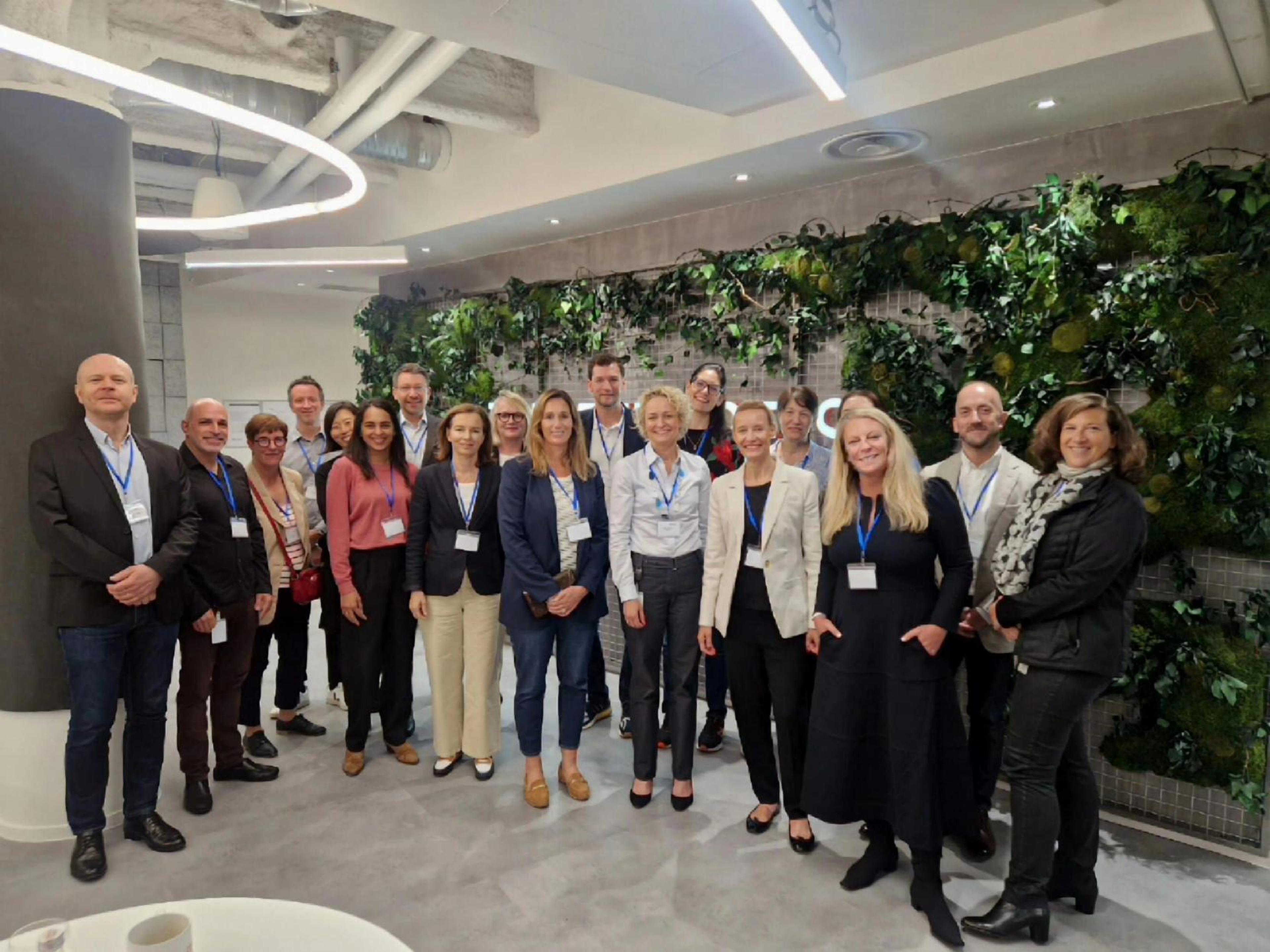
ChapmanCG was pleased to partner with the Center for Creative Leadership at our recent HR Leader Roundtable in Singapore. Close to 20 HR leaders from various industries and organisations joined us in an interactive discussion on how to Re-imagine Leadership in a Hybrid World.
By now, most of us agree the future of work is hybrid. According to the Work 3.0 – Re-imagining Leadership in a Hybrid World study by the Center for Creative Leadership, over 85% of organisations have already adopted some form of hybrid or flexible work mode. However, only around 50% of these organisations thrive in this new way of working, while others struggle to adapt. While employees may enjoy benefits such as improved mental and financial well-being, there are also potential issues with social well-being due to a lack of in-person interactions. It can be challenging for organisations to maintain their culture and foster a sense of belonging with limited time spent face-to-face.
Is Hybrid Working the Ultimate Solution?
The short answer is no. Although hybrid working has gained popularity, it is not a one-size-fits-all. The success of this approach depends on various factors, including the organisational culture and setup. Establishing the right culture is crucial in determining how work is accomplished, both on a macro and micro scale. Openness, transparency, a collaborative mindset, accountability, and outcome orientation are key to enabling hybrid working. As our panellist Alan Agnew from HSBC pointed out, trust and honesty are essential for employee engagement and organisational fulfilment.
Leadership in the Hybrid World Must Evolve
The role of leaders needs to change to ensure that our people "burn bright" and not "burn out". The Work 3.0 research referred to “Rockstar hybrid leaders” who often demonstrate a growth mindset and accountability. They are effective communicators who build trust and set the right expectations.
To effectively manage and engage teams, CCL has developed a 4C Model that focuses on:
- Collective Mindset - our belief about working together
- Core - our reason for coming together
In partnership with