Future of HR: Predictions for 2025 and Beyond
A Global HR Forum in Mumbai, India
- Date:
- 3 February 2025
ChapmanCG and Mondelez India co-partnered to host a group of senior HR leaders for panel discussion in Mumbai around the topic Future of HR: Predictions for 2025 and Beyond.
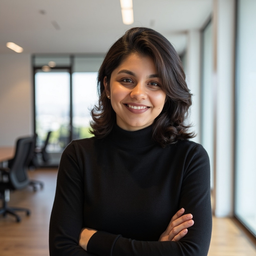
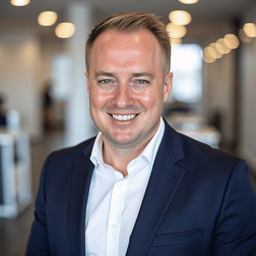
Ben Davies, ChapmanCG CEO, led the discussion, with panellists Nagina Singh, CHRO, Mondelez, Arun Krishnamurthy, CHRO, Barclays and Tanvi Choksi, CHRO, Mahindra Holidays and Resorts. Our audience comprised of HR leaders from various industries and services consisting of manufacturing, financial services, FMCG, hospitality, pharmaceutical, real estate, and PE firms, making for diverse views and a highly engaging couple of hours to come to the fore.
During the panel discussion, HR leaders were asked to give their points of view on what would shape their HR strategy in the next five years, which area they were investing the most, how the recent adoption of technology was impacting their work and organisations, and nuances around the multi-generational workforce and the work flexibility conundrum.
A common theme that cut across all organisations was that technology was becoming more of a horizontal function instead of a vertical domain and impacting several aspects of an HR function- from employee experience, Go-To-Market, talent attraction, learning & development. Now, with the advent of AI, technology has started to augment the role of HR, allowing leaders to focus on more strategic aspects of their jobs and not get rundown with the day-to-day operational elements. Technology influences the role of HR further, meaning that it has to pivot, taking on more change management responsibilities- from technology shift to mindset shift- and make leadership and employees tech-ready.
India is a country rich in diversity and with its nuances around hierarchy. The next generation of workforce entering the corporate world has made leaders play an active role in creating structured programs to ease them into the existing ecosystem. The underlying principle is that stereotypes need to be eliminated and diversity of thought to be welcomed, and so to tackle that, HR is tasked with programmes of reverse mentorship, encouraging a culture of speaking up and open dialogue, and focusing on employee listening. More and more organisations are becoming open to the new norm of working with GenZ- ‘boomerangs’, gig work, and flexibility will become the future and organisations, notwithstanding the wave, risk crumbling or missing out on the ‘newness’ of thoughts presented by a younger workforce. The next generation of the workforce may encourage the Indian corporate sector to shift its focus from degrees and university backgrounds to the skills and capabilities individuals bring to the table.