Asia Pacific Regional Heads of HR Meet to Discuss Employee Engagement at PCCW in Hong Kong
- Date:
- 19 June 2013
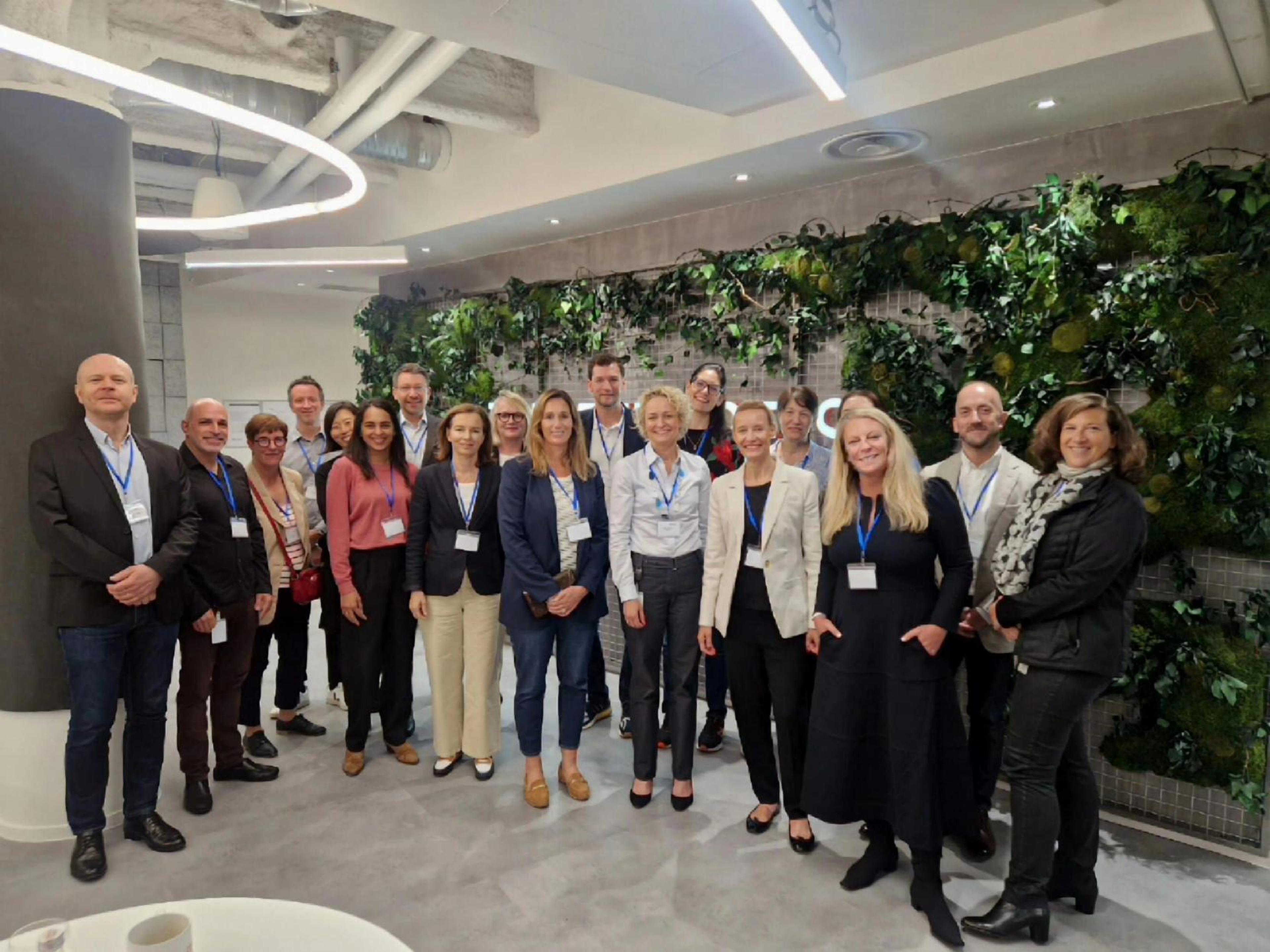
​The Chapman Consulting Group’s Asia Series of HR Leaders Meetings has included a number of group meetings in Hong Kong, including today’s meeting of Regional HR Leaders at PCCW’s Flagship HKT store in the Central district. Attendees today included regional and global HR decision-makers from companies such as AECOM, Avery Dennison, BT, Cushman & Wakefield, Dow Jones, Energizer, Ferragamo, Hilti, Honeywell, Ingram Micro, Leighton Holdings, Procter & Gamble, PVH and VF Corporation, to name just a few. The HR leaders in attendance were also treated to a tour of PCCW’s HKT flagship store.
In order to preserve the anonymity of the information shared from these sessions, we will not be reporting on all the findings discussed. However, below is a short summary of some of the most interesting points raised:
1) In one case study, the Regional HR Director had managed to convince the internal management team to put internal Corporate Communications underneath the HR Leader. He was able to do this by making a simple case to the business that they needed to improve their engagement because they were losing talent at the top-end of their talent pool. Since having taken over the department, the HR Leader said that there were pros and cons, but the main pro was in the ability to link the internal communications delivery directly with the employee engagement strategy. So far, this has been working very well, and the company has seen a slow-down in the turnover of senior talent.
2) On the same subject of employee engagement, one company made a presentation about how they had reinvigorated their entire workforce with a rebranding exercise. Along with the rebranding, the company also wanted to create a new culture of pride and positivity within the organisation. One of the ways they did this was to create a fashion show,where the company’s new corporate uniforms were unveiled in a glitzy catwalk show. This and other creative initiatives have helped improve morale in the organisation, have made the employees more ‘customer centric’ in their approach to their work, and have also improved retention rates.
3) In Business to Business environments, it was discussed that employee engagement can be improved by giving employees more personal exposure to the ultimate end user of the company’s services. In one example, the regional HR Director of a construction company said that construction workers helping to build a hospital were able to be filled with an innate sense of pride about what they were working towards, and once the hospital was completed, there was a long-term residual ‘feel-good factor’ about their achievements. The same could be said for employees in pharmaceutical companies who often deal with drug distributors and doctors, but don’t get enough exposure to the end user, i.e. the patients. Linking even the most junior worker to the ‘bigger picture’ was an effective and simple way to improve employee loyalty and reduce turnover.