The Chapman Consulting Group Global HR Leaders Meetings Series Kicks off in Reading and London, UK
- Date:
- 9 April 2013
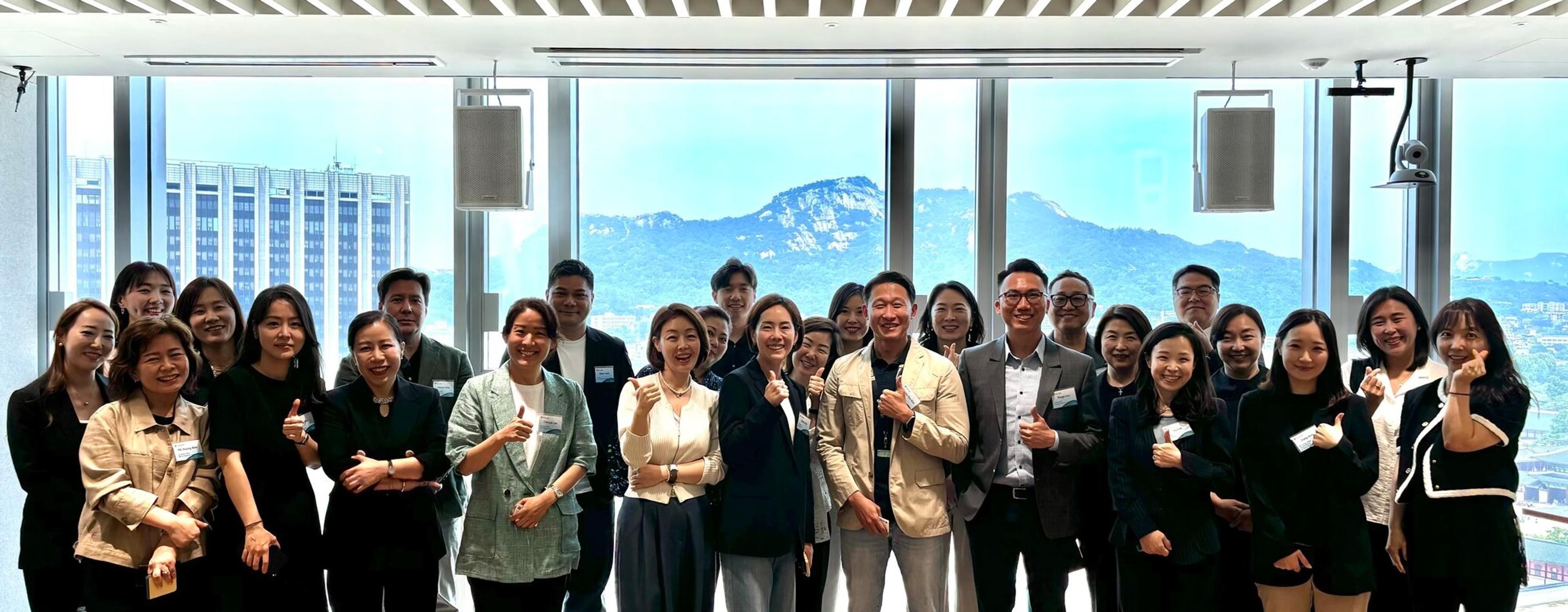
The Chapman Consulting Group’s Global Series of HR Leaders Meetings have kicked off today, with two separate groups of around 20 global and international HR decision makers in the UK. The first meeting was co-hosted by Quintiles at their stunning open-plan international headquarters in Reading, west of London in the UK. The second meeting was in the capital, co-hosted by LexisNexis at their international HQ in the heart of London’s legal heartland around Temple. Attendees at these small groups included Global HR decision makers from companies such as BP, Vodafone, Ernst & Young, Honeywell, HSBC, British American Tobacco, G4S, Lockheed Martin, Nomura, Shell, McGraw-Hill and Thomson Reuters, to name just a few.
In order to preserve the anonymity of the information shared from these sessions, we will not be reporting on all the findings discussed. However, below is a short summary of some of the most interesting points raised:
- One services company reported that 20% of external hires globally, including in growth markets, nowadays come from referral programmes. One of the reasons for the success of the programme was the array of prizes offered to referrers, including big-ticket items such as kitchen makeovers and cars. Prizes were tailored to specific markets so that they could take into account the demographic make-up of the employees in that location and ensure local market relevance.
- A healthcare company revealed that in some markets where talent was not easy to find, they took the decision to create accelerated school programmes in local universities, where they select high performing graduates and offer them 18 weeks of practical training before they even graduate. This includes visiting clients with so-called ‘onboarding managers’ who would be flown in from various global locations to run these programmes on a three to six month secondment programme. The strategy also has the knock-on effect of offering high performing junior managers in other locations the opportunity to get global exposure on short-term assignments.
- One outsourcing company discussed their experiences in profiling potential future retention risks. They analysed the data in their organisation that helped to foresee the risk points in the careers of high-value employees, and predict when they were most likely to leave. Knowing this data, instead of waiting for the retention problem to inevitably hit, they were able to give these ‘high risk’ employees stretch assignments, put them on interesting projects, and/or assign them buddies/mentors that would help them to get over the ‘hump’ in their onward career paths in the company.
- In a services company, they introduced a ‘talent brokerage’ model, whereby line managers were not just assessed on their ability to grow talent, but were instead evaluated on whether they were ‘net importers’ or ‘net exporters’ of talent. This was a very interesting example of where managers were being incentivised to ‘lose’ their talent to other parts of the company globally, in order to truly create the culture of ‘one business’ worldwide.