Future-Ready People Practices: Shaping the Next Generation of HR in the Age of AI
A ChapmanCG Miami HR Leaders Forum
- Date:
- 5 January 2026
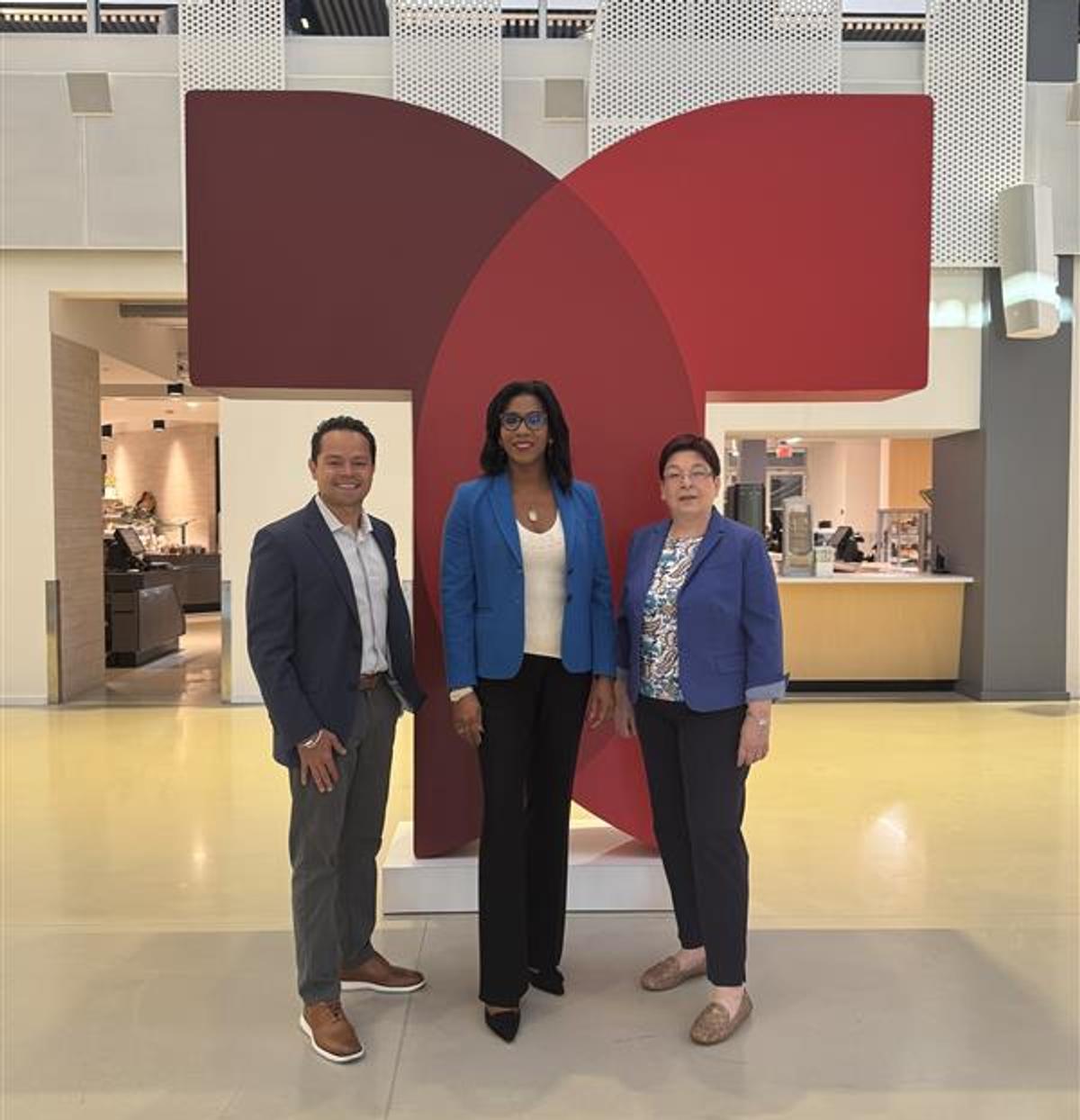
For the second year in a row, a group of HR leaders gathered in October at the NBCUniversal Telemundo facility in Miami to discuss the use of AI in shaping their HR and talent strategies. This second annual session was hosted again by Ashaki Rucker, SVP Human Resources at NBCUniversal Telemundo. A diverse range of companies were in attendance including Amerant Bank, Carnival Cruise Line, Centella, CentralSquare Technologies, City National Bank of Florida, Donnelley Financial Solutions, Energizer, Newmont, PriceSmart, ProTrans, Ricoh, Royal Caribbean Group, Starbucks, TelevisaUnivision, The RBL Group, The RiteScreen Company, Visa, Vistra, and W. R. Berkley.
The purpose of the session was to continue discussions started in October of 2024 on AI, and to share ideas on how HR leaders can overcome common challenges in today’s climate across key areas such as Diversity, Equity & Inclusion, and mental health awareness in the workplace. We were amazed at the amount of progress made by the attendee companies since we last met. This update will focus largely on the AI aspects discussed during this year’s session.
AI Overview
The session focused on the practical integration of AI within HR functions, its impact on workforce adaptation, and how organizations are balancing technology adoption with human empathy, inclusion, and change management. The discussion highlighted the evolving role of HR in leading AI-driven transformation, while maintaining the human connection at the center of people strategy. Ashaki Rucker made a comment which resonated with the group when she said that the right use of AI also allows HR to “grab back” some much needed extra time! She mentioned that the key areas where productivity and quality increases are being noticed include training, leadership coaching, and performance management and related conversations.
AI Adoption and HR Enablement
- NBCUniversal Telemundo implemented companywide access to Microsoft Copilot and introduced a proprietary AI chatbot that provides HR Business Partners with instant policy guidance and data analysis. The initiative aims to reduce administrative time, increase decision speed, and improve consistency in HR responses.
- The group discussed the need to train HR teams to leverage AI as a collaborative tool—not a replacement for human roles—emphasizing empathy, context, and judgment as essential complements. It was noted that in some areas AI can be helpful, but it cannot yet be fully trusted. For example, the group discussed using AI to take notes for ER purposes. However, for investigations it can still miss key themes so the need for human note taking (and final detailed review) cannot be fully replaced.
- While it is very early days, companies are now reporting that candidates are having positive experiences being screened by AI chatbots. Instances were also reported where candidates were using AI to help create answers in video interviews and the need to start to ensure that candidate answers to interview questions are their own.
- Around the table, we noted an increasing urgency around AI governance, privacy, and regulatory compliance (for example, EU directives, U.S. state-level laws).
AI Upskilling and Education
- NBCUniversal Telemundo Enterprises partnered with the University of Miami Herbert Business School to deliver faculty-led workshops helping HR and business leaders frame AI appropriately. Focus areas included:
- Reducing fear and misinformation about AI.
- Building a “learning and experimentation” mindset.
- Promoting AI literacy across all levels of the workforce.
- Leading from the top: It was agreed that AI adoption should happen at all levels of the organization. SVP level and above will go through AI training at NBC Universal as a starting point company wide. Visa commented that the CEO really needs to be committed to AI and that they have enjoyed great success through the C-suite being great role models in the internal development and usage of AI. It was also noted that specific AI OKRs are needed so that processes can be built and outcomes measured. Visa indicated that the OKR’s that they implemented have increased AI usage across their workforce.
HR as a Change Leader
The group observed that HR is increasingly becoming involved at the intersection of human capital and technology. Many organizations are creating new roles such as HR Digital Transformation Officer, or HR-AI Partnership Lead. AI integration is now viewed as a change management challenge as much as a technological one and the group spent some time discussing the importance of communication and collaboration to drive adoption and put people at ease. There was also strong alignment that HR must lead in the organization-wide assessment of which roles, processes, and capabilities should be augmented or redefined through AI.
Participants noted the importance of “meeting employees where they are”, recognizing differing comfort levels across generations and job types. The consensus was that leaders need to re-think change and how to use AI to train and upskill various segments of the workforce. Several HR leaders in the room were having great success with “change management and change mindset” conversations. Specifically, some areas explored included:
- The upcoming generation which will drive the organization in future doesn’t want to “do the grunt work” in the same way that older generations did (said one participant, “You need to appeal to them differently”). They also absorb messages better if storytelling is used rather than if you give them numbers and facts. The use of personal stories was also discussed; for example, AI had been used by one employee to design an executive wardrobe for a week.
- HR leaders stressed the need to address fear of obsolescence through transparent communication, practical training, and early exposure to low-risk AI tools.
- It was observed that non-exempt workforces face unique challenges: training access, time management compliance, and job redesign for AI-enhanced environments.
- HR leaders reported that there is a lot of work going on in the prompting area. AI prompts are being effectively used across a wide variety of situations. Examples include sales techniques, annual reviews, and presentation coaching tips on how to be more succinct and persuasive. One participant talked about using Copilot and prompting to correct the tone and manner of an executive in a development conversation.
- ProTrans reported the very successful use of an AI software tool which “senses” the organization. It analyzes employee productivity trends and optimizes team performance with benchmarks, goal-tracking and AI coaching recommendations.
Inclusion, Mental Health, and Cultural Considerations
The need for technological adoption co-existing with psychological safety and support was discussed. Several participants cited measures being taken to ensure the right levels of support for employees as AI is adopted. For example, NBCUniversal highlighted offering mental health counselling and monthly well-being events. Many members of the group reported that Inclusion efforts now include expanding participation in development programs and using AI tools like LinkedIn Learning’s AI coaching modules for personalized growth and skill building. The group also observed that the issues of productivity, mental health and culture building are merging, which requires more focused and nuanced solutions given this complexity.
Key Takeaways
ChapmanCG’s key takeaways from the session are:
- HR must own the human side of AI transformation—guiding adoption, addressing fear, and ensuring inclusion. They should create a framework for AI change management, perhaps cross-functionally, to support employees at different adoption stages.
- AI literacy and experimentation will differentiate and reward organizations that work with employees to adapt and move forward. Practical, accessible AI tools (e.g., chatbots, copilots) help reduce fear and build trust in AI.
- Mental health and inclusion must remain core to the AI agenda.
- Miami’s HR community is positioning itself as an active testing ground for future-ready people practices, balancing innovation with empathy. Local HR leaders may wish to consider developing a cross-company learning cohort to share AI use cases and HR innovation stories. They could also map specific AI applications across HR processes (TA, ER, analytics, learning) to identify pilot opportunities.
As mentioned, the progress made from year one to year two by the organizations around the table was substantial. We look forward to returning to Miami in late 2026 for updates on further challenges, surprises, and breakthroughs.